
A Way To Connect Modern Veterinary Medicine And Ancient Wisdom: An Introduction To Terrain Theory
Germ Theory: Not the Whole Story
What human being has not been warned about germs, those infectious micro-organisms (pathogens) that are too small to be seen by the naked eye? You might even have heard of the famous 19th-century doctor, Louis Pasteur, who is known as the father of “germ theory.” According to this theory, certain diseases are caused when the body is invaded by pathogens (“germs”).
But germ theory poses some problems. You see, it’s not that germ theory is entirely wrong, it’s just incredibly partial — it doesn’t tell the whole story. On its own, germ theory can’t account for why when multiple people or animals are exposed to the same infectious agent that some (or all) of them may never become ill.
Terrain Theory: A Better Way to Tell the Whole Story
To account for this question, we need a more complex theory that can better tell the whole story. Specifically, we need “Terrain Theory” (TT), a theory that developed in tandem with germ theory but failed — perhaps because it was too ahead of its time — to be adopted en masse.
But what is Terrain Theory? To understand TT, it can be helpful to think of pathogens as “seeds,” and a human (or animal) body as a larger ecosystem or garden.
 Gardeners know that just because you plant a seed, that’s no guarantee it will take root and grow. For a seed to take root and develop into a fully-fledged plant, it requires an entire ecosystem of hospitable conditions: the right amounts of light, oxygen, and moisture, the right soil-based nutrients and pH levels, the right kind of neighboring plants and pollinators, and the robust resistance to insects that comes from the balance between and among these conditions The more hospitable the ecosystem, the better the chance the seed will take root and flourish.
Pathogens Love an Imbalanced Ecosystem
When a pathogen comes into contact with the ecosystem of a human’s or animal’s body (what we can think of as our “inner terrain”), the pathogen is only likely to “take root” if the conditions are hospitable. For pathogens, a hospitable ecosystem, or inner terrain, is an unhealthy one. Pathogens love to look for the easiest place to take root and cause disease, and that place is in an ecosystem whose balance and vitality has been compromised.
Pathogens have a very hard time taking root in a healthy ecosystem. When the inner terrain is in balance, it can defend itself quite well from even the most aggressive insects or pathogens. But when this inner terrain is no longer healthy, when an environment, human, or animal ecosystem is out of balance and lacking vitality, watch out!
As Wikipedia affirms:
“Even when a pathogen is the principal cause of a disease, environmental and hereditary factors often influence the severity of the disease and whether a potential host individual becomes infected when exposed to the pathogen.”
Making the Problem Worse While Trying to Solve It
Because germ theory only tells one part of the story, when it’s all we have to work from, we often end up making a problem worse in the process of trying to solve it. For example, if we try to manage both Type 1 and Type 2 diabetes with insulin alone rather than also managing patients’ diets, not only will we fail to effectively manage this condition, we will almost certainly lay the ground for further deterioration. (Or at least foreclose any possibility for significant improvement.)
The trouble with germ theory is twofold: First, it seduces us into getting fixated on getting rid of symptoms without asking ourselves what these symptoms might be trying to tell us about what’s gone wrong in our ecosystem, our inner terrain.
While there’s nothing wrong with getting rid of the symptom, we want to do it in a way that doesn’t inadvertently contribute to further problems — that doesn’t generate the very imbalance in the inner terrain that made it vulnerable to dis-ease in the first place.
The second issue with germ theory is that it tends to see symptoms and dis-ease as necessarily caused by something (a pathogen) outside the body. While this can certainly be the case, it fails to recognize how symptoms and dis-ease can be generated from the inside as an expression of an imbalance in the inner terrain. Without being able to entertain this critical distinction and how they fit together, it’s impossible to come to sound insight about the nature of the ailment and how to best treat it.
Addressing the Big Picture to Create Balance
A person’s or animal’s body is an entire ecosystem of dynamic conditions that are impacted by that person’s or animal’s dietary habits, activity levels, emotional and social bonds, age, heredity, and (for people) their sense of meaning and purpose. Creating balance means addressing the whole ecosystem and everything that impacts it. When we take this approach, we have a much better chance of restoring, improving, and sustaining vibrant, robust health.
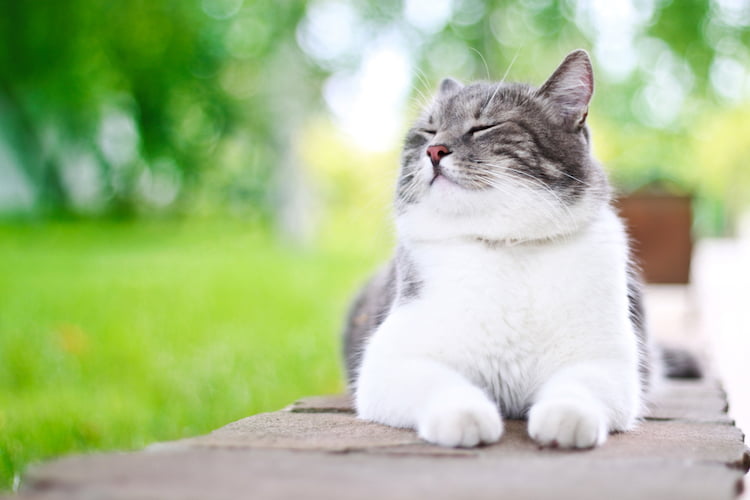
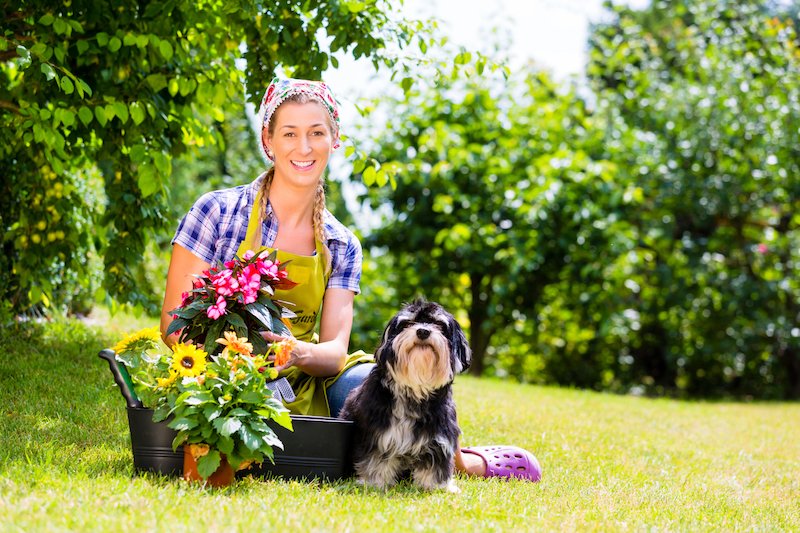
In the same way that a garden with a balanced ecosystem is naturally resistant to harmful insects, a person or animal with a balanced inner terrain is naturally resistant to germs or other pathogens. It makes a lot more sense to nurture gardens to yield more flowers and food than it does to simply battle bugs with toxic chemicals. Likewise, it makes a lot more sense to nurture the entire ecosystem of people and animals to promote glowing health and deep wellbeing than it does to simply battle symptoms with pharmaceuticals.
The Bottom Line
Pets, no less than people, thrive when the physical, social, and emotional impacts on their ecosystem are holistically addressed to bring their inner terrain into balance. Pets, like people, need healthy foods, fresh air, enjoyable exercise, close relationships, and strong social connections remain vital. After all, even the most beautiful gardens need tending. In “Tending Adam’s Garden,” world-renowned immunologist, Irun Cohen MD, writes:
“Even the best of gardens need tending… The immune system certainly can be reinforced by clean air and clean water… The world is no longer the garden we evolved to live in. Maintenance means tending.”
Holistic vets all over the world work every day to maintain, restore, and improve the inner terrains of their patients, attesting to how animals with balanced ecosystems are naturally resistant to infectious agents like parvo, distemper, bordetella, etc. Their observations lend themselves to the self-evident insight that for germ theory to hold empirical water, the more complex theory of TT is needed in which to contextualize it.
The efficacy of a TT-based treatment model is borne out by clinical studies and experience-based evidence, and with further research, may well prove to be the most accurate predictor of dis-ease in pets. We already have volumes of research, for example, showing how strong social bonds protect humans from cancer, or how exercise plays a hugely preventative role in guarding against heart disease. Why should these same principles not apply equally to animals?
Even if there was no research proving these connections, wouldn’t it just make sense to bring as much health and goodness to every aspect of our own and our pet’s lives as possible? Wouldn’t it just make good sense to do everything we can to create a richer, more beautiful, more balanced life and a better world? We think that’s a question we don’t need to look to science to answer.
11/02/2020 Empower Hour! Healthy Aging
Fluffy or Flabby? How to Prevent or Manage Pet Obesity and Optimize Your Dog or Cat’s Nutrition
Meet Susie
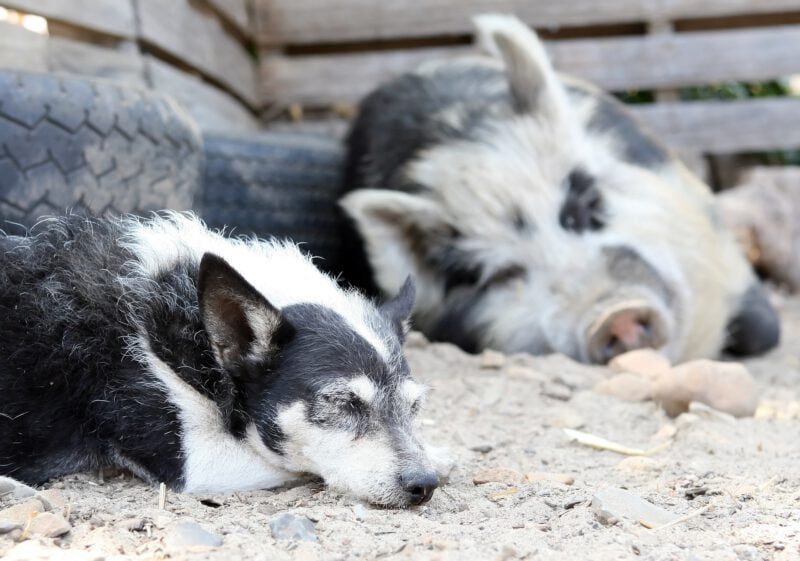
Susie: “I may not be a spring chicken, but that doesn’t mean I can’t have barnyard friends.”
On a glorious spring afternoon with temperatures nearing 70 degrees and not a cloud in the sky, Susie was finally getting to enjoy her favorite activity: hiking with her family!
Susie happily sniffed the ground, dug in the dirt, and chased chipmunks and squirrels. But after only 20 minutes of hiking, she began panting. As the hike wore on, she was heavily panting, showing visible signs of fatigue, and lagging behind her family. Chipmunks or squirrels held no more interest for her, and only 45 minutes after beginning her hike, she lay down on the trail and refused to go further. Even with some prodding and encouragement, Susie couldn’t be persuaded to go on, or even to get up. As it had so many times before, Susie’s adventure had been cut sadly short.
Meet Otis
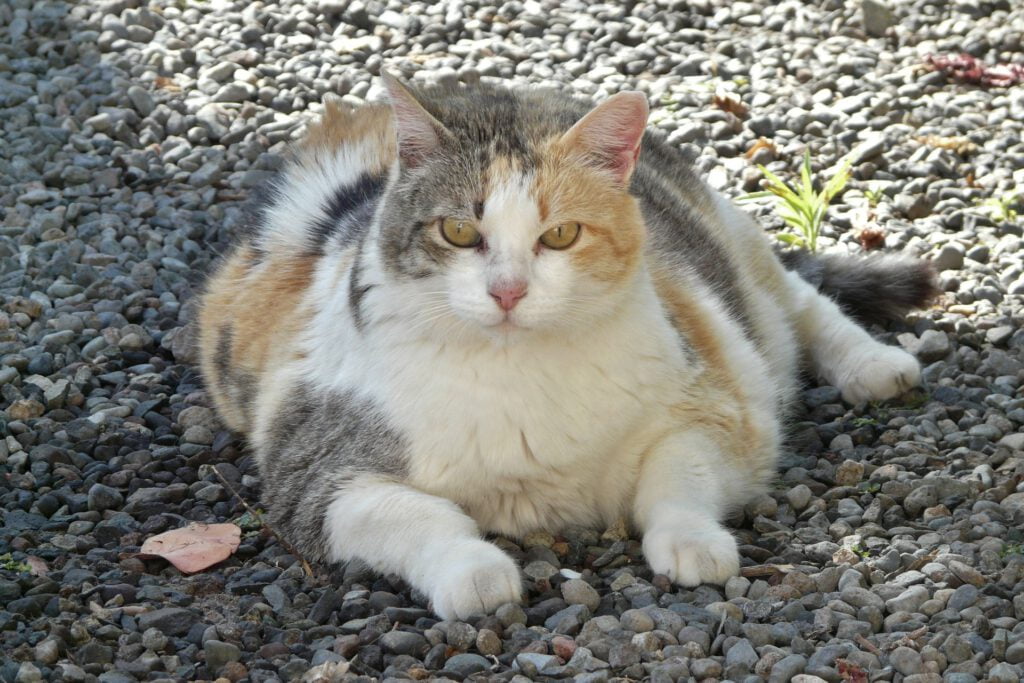
Otis: “I’m not fat, I’m just fluffy.”
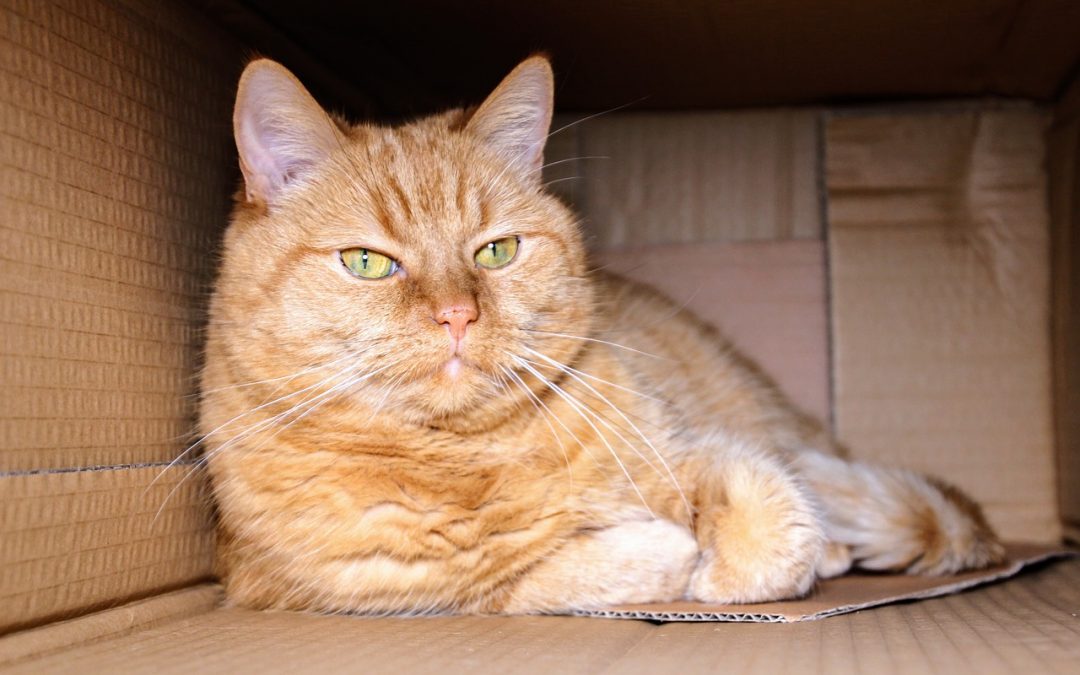
Unlike Susie, Otis doesn’t get out much. In fact, he’s only been outside a few times in his life, and his “hunting” consists of gazing at birds outside his window. Sure, he’s been outside, but only in the pet-carrier he’s transported in on his way to the groomer or, even worse, Otis feels, the vet to receive a dreaded enema.
Since Susie is a dog and Otis a cat, you might think they don’t have much in common, but they do share one thing: major health risks and a poor quality of life stemming from a serious but often unrecognized or underestimated problem — an unhealthy weight.
The Struggle is Real, Not Just for Pets, But For People
Susie’s beloved walks and weekend hikes are getting shorter and shorter, and Otis can barely groom himself or muster the strength to use his litter box. In the case of Susie’s person, he thinks that because Susie is nearly ten years old, it’s normal for her to tire easily. He doesn’t even realize that she has become overweight and simply sees her as “big-boned.”
 As for Otis’ person, she knows that Otis is overweight but isn’t fully making the connection between pet obesity and health problems. Like Otis, she is overweight, and she says about Otis’ weight what she says about her own: it’s just “bad genes,” and there’s not much she can do about it. Even if she wanted to help Otis lose weight and get back to his old energetic self, she wouldn’t even know where to begin.
Susie’s and Otis’ people aren’t alone in not taking effective action for addressing pet obesity. They both love their pet and would do anything for them but lack education and guidance. The percent of companion animals that are overweight is growing at an alarming rate. So many pets are now overweight that this has become the norm, making it difficult for many pet guardians to recognize what an optimal weight looks like and the connection it plays in overall health and quality-of-life.
Balanced Nutrition and Optimal Weight Are the Single Greatest Determiners of Health and Quality-of-Life for Your Pet
Pet obesity causes a host of health problems, which is why pet obesity prevention and treatment is critical. For your pet’s system to remain balanced, vital, energetic, and disease-free, balanced nutrition and optimal weight must be maintained throughout their lifespan. Keep in mind that balanced nutrition means not only ensuring your pet (especially your dog) eats a broad variety of high-quality fresh foods, but that these foods are served in moderation.
In other words, don’t confuse variety with balance. If variety were all there was to it, you could eat a meal of fried chicken, potato chips, cake and ice cream and claim it was “balanced” based on the fact that you’d included items from each of the four food groups. (The four food groups is a dubious nutritional model, but that’s another subject!)
On the other hand, if you ate a meal of grilled chicken or tofu, a green salad, and a serving of raw almonds, this would be a balanced meal in terms of balanced ratio of macronutrients (protein, carbohydrates, and fats).
While dogs and cats obviously have dramatically different diets and macronutrient needs than people, it’s the combination of quality and variety that equates to a balanced diet. (That’s what the ultimate pet nutrition is really all about!)
How to Prevent Obesity or Get Your Pet’s Weight Under Control
One of the biggest culprits in excessive weight gain in pets is a diet that consists of low-quality carbohydrates and filler-laden dry food. This is especially true for cats since carbohydrate intake is neither necessary for their survival nor optimal health.
The healthiest and fastest way to promote your pet’s weight loss is to switch them to a raw, meat-based diet.
However, this is not the only healthful way to lose weight.
The low-carb diet fads that have become increasingly popular over the last decade have made many people unnecessarily fearful of carbohydrate intake for both themselves and their pets This is unfortunate because while refined carbohydrates do little for you or your dog’s health or fat-loss efforts and can even pose problems (since almost all wheat products are sprayed with glyphosate), whole-food carbohydrates are crucial to each.
Although high-quality carbohydrates play a key role in both you and your dog’s health, high-carbohydrate foods should generally be given only as treats. Fresh green beans, broccoli, and cauliflower make wonderful and healthful low-calorie treats that many dogs love.
For cats, small pieces of freeze-dried meat-treats like Dream Treats from Wysong and Whiska Smackers from Dr. Harvey are excellent substitutes for the much-higher calorie carbohydrate-based treats that can so easily contribute to an unhealthy weight.
When the Weight Won’t Seem to Come Off
In a very small number of pet patients, modifying their diet in the ways we’ve discussed doesn’t result in the degree of desired weight loss. If you’ve worked hard to appropriately reduce your pet’s overall food intake, have ensured they’re getting a truly balanced diet, have increased their exercise, and are weighing them every week without seeing significant weight loss, your pet may be struggling with a metabolic challenge. What has been termed “metabolic syndrome” was first recognized as occurring in people and is now recognized as applicable to pets as well.
“Metabolic syndrome” is simply a way of saying that a person’s or animal’s hormonal system has been so severely taxed that it will need to be brought back into balance before meaningful weight loss can occur. A diagnosis of metabolic syndrome does not mean you or your pet is doomed to be overweight. It just means some additional holistic actions will need to be taken.
Hailey is a great example of a yellow lab who just could not lose weight. She ate only a few ounces of a varied raw meat diet and had hours of daily activity. By attending to all of Hailey’s symptoms (including her inability to lose weight) she was able to regain her metabolic balance. With continued homeopathic internal treatment, the pounds melted away and stayed off!
Underactive thyroid function is another common cause of stubborn obesity. Thyroid hormone is the chief determinant of metabolism. Insufficient quantities of it or improper conversion to the active form are common causes for weight gain and seemingly impossible attempts at weight loss.
But whole thyroid gland extracts combined with good food, exercise, and homeopathic treatment can help boost metabolism and promote weight loss.
A Low-Calorie Fresh Food Recipe for Your Dogs and Cats
Ready to take the first step in your pet’s weight loss journey? This simple, easy, homemade crockpot recipe made from fresh, organic ingredients can get you off on the right foot (or paw, as the case may be)!
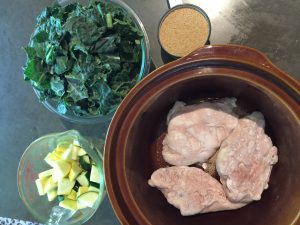 The metabolic processes supported by the calories supplied by this and other low-calorie, slow-cooked, fresh food recipes are critical to proper physiologic functioning and weight loss. The high-quality carbohydrates in this dish provide your pet with energy for increased activity and caloric expenditure.
Please remember that the recipe is designed to be healthful, flexible, easy, and inexpensive. It is not meant for continuous feeding. It can, however, be part of a fresh and varied diet (with everything fed in moderation).
____________________________________
INGREDIENTS
10 ounces organic chopped kale
4 cups of cubed organic zucchini and/or summer squash (We like to use one of each!)
3 organic chicken breasts
1 cup of organic amaranth
5 cups of water
COOKING DIRECTIONS
Cook on high for 4-6 hours. (The finer you chop the kale, the faster this recipe will cook.)’
__________________________________
Remember, other fresh food feeding suggestions can be found in our Fresh Food Cooking for Pets video.
Though helping your pet lose weight may take some time and a bit of experimentation with modifying their diet and reducing their calorie intake, it’s one of the most important and rewarding things you can do for your pet. As your pet gets closer to achieving their ideal weight, you’ll see increased vitality, energy, and overall good health. In short, you’ll help your dog or cat get their groove back, and that’s an outcome that’s truly tail-wagging worthy and something to purr about!
Bone appetit!
Dr. Jeff