Longevity, Vital Capacity, Pranayama, and the Exposotype
Longevity, Vital Capacity, Pranayama, and the Exposotype
By Jeff Feinman, VMD
Used with permission of the Journal of the American Holistic Veterinary Medical Association (JAHVMA).
Article first appeared in Volume 58, Spring Issue, 2020
Abbreviations
- ME/CFS – Myalgic encephalomyelitis/ chronic fatigue syndrome
- QOL – Quality of life
- VC – Vital capacity
Abstract. Pranayama, the practice of controlling the breath, is known to help people maintain physiological homeostasis and increase longevity. This article discusses methods to utilize a veterinary version of pranayama for animals, which is proposed to yield similar results. Research in people demonstrates breathing practices such as pranayama increase vital capacity and respiratory function, which in turn increases energy production and improves biomarkers of cellular activity. Pranayama, or breathing practices derived from yoga and Ayurveda, is discussed as an efficacious, teachable, and reproducible method for accomplishing this. It is suggested that the growing incidence of chronic diseases can be reduced by pranayama because it therapeutically increases the amount of cellular energy (eg, ATP) by improving mitochondrial function and aerobic respiration. In addition, veterinary patient quality of life (QOL) can be improved by using animals’ voluntary control of the parasympathetic relaxation reflex and enhanced homeostatic mechanisms. This increased physiological stability can potentially decrease their reactivity to environmental and endogenous stressors such as toxins, which would otherwise trigger disequilibrium. This decreased susceptibility to physiological strain, as reflected by biomarkers, is a central teaching of Ayurveda. Context is provided for medical use of pranayama in Ayurveda by discussing it in the more modern frameworks of homeopathy and the exposotype. It is postulated that pranayama can improve veterinary patient QOL and longevity as it does for people.
Introduction
Physiological homeostasis helps maintain cellular energy to improve cell function and biochemical biomarkers and patient quality of life (QOL). Pranayama is proposed to do this both physically through improved oxygenation and cellular respiration as well as nonphysically through an increase in a currently unidentified energy of the air, known as prana, chi, or the vital force, which has been suggested as the unseen force that separates a dead body from a living being (1). The understanding of the effect of pranayama on the breath is derived from more than 3,000 years of the human practice of yoga and the breathing practices called pranayama, in which the pranic force is thought to improve cellular activity and all life functions to help maintain physiological equilibrium, as verified by current research in hundreds of scientific papers. The concepts of prana and chi predate scientific medicine and therefore are not described by modern terms. Current research in the biofield likens the effect on the living being to that of electricity powering modern appliances (2, 3). Therapeutic use of pranayama was codified by Ayurveda, which is empirically based on the signs and symptoms of the patient. Ayurveda is translated as the medical study of the “science of life.” It is still practiced around the world today and has been scientifically verified to help patients improve their lives by optimizing their internal equilibrium (4, 5).
Despite documented anecdotal evidence of Ayurveda’s benefits, the underlying concepts of prana and the vital force are not currently part of the modern medical model because they cannot be quantified (5). However, this omission limits scientific understanding of physiological processes, such as respiration, by reducing the holistic interplay of the living organism into individual cellular and molecular mechanisms. For example, even sophisticated scientific understanding of biochemical processes cannot explain the control that pranayama-practicing yogis have over autonomic functions enabling seemingly superhuman feats, as documented in multiple research laboratories (6).
Current research focuses only on measuring the physical mechanisms of breathing and lung function by pulmonary functions such as vital capacity (VC), which is defined as the maximal volume of air expired after a full inspiration. In people, decreased VC has been shown to correlate directly with the physiological changes seen in many diseases and is a predictor of cancer, aging, and mortality (7–10). However, the magnitude of the positive effect of breathing on the physiological biomarkers that precede disease can only be partially understood by using a molecular perspective rather than a vitalistic medical model. As in the study of the biofield, translational medicine and high-dimensional biology can be utilized to translate current research and seemingly disparate concepts into clinical practice to improve treatment outcomes (11, 12).
Breathing, Balance, and Biomarkers
Recent definitions of biomarkers go beyond measurement of biochemical parameters such as oxygen saturation and VC. They can now be seen as any biological characteristic that can be used to indicate normal biological function and the presence of pathological processes or to monitor a response to a therapeutic intervention. It is indisputable that the measurement of the VC biomarker is useful for diagnosing, treating, and managing many diseases, including those of high energy-consuming organs such as the heart and brain (13, 14). These organs may be predisposed to energy deficiency because of their high metabolic demand for cellular fuel. This energy deficiency reduces QOL and longevity and is reflected biochemically by changes in electrical responses, as measured in the laboratory by the new diagnostic test for a biomarker of myalgic encephalomyelitis/chronic fatigue syndrome (ME/CFS) (15–17). The underlying defect in ME/CFS may be either a deficiency of cellular energy such as ATP or a cellular limitation to its utilization, but in both cases, increased prana is proposed to help.
The importance of energy production and mitochondrial metabolism has attracted attention as a target for drug discovery and clinical intervention (15, 18). For example, decreased energy production and increased oxidative stress from inefficient aerobic respiration and uncoupling of the mitochondrial electron transport chain is a pharmacological target for treating obesity in people (19). In addition, the ME/CFS blood biomarker was developed both as a diagnostic tool as well as a way to find useful drugs for patients that have the syndrome (15). However, unlike pranayama, use of pharmaceuticals is associated with a decrease in available cellular energy because these consume energy from translation of novel proteins (20, 21). There is mounting evidence that all signs and symptoms, such as the systemic dysfunction of ME/CFS, regardless of organ, are due to energy imbalances and dysfunctions on the cellular level; therefore, it is critical to maintain cellular energy. This report is intended to help improve patient QOL safely through the use of pranayama and without drugs that may have unintended effects (22, 23).
In human patients, VC is an important biomarker of internal balance and homeostasis, but is not commonly measured in veterinary patients. However, other biomarkers, such as red cell indices, cortisol, lipids, and serum lactate, are routinely quantified in animals; and levels of these have been shown to improve with pranayama in people (24, 25). In animals, pranayamalike breathing techniques can simply be used together with conventional medicine and have been shown to improve treatment outcomes as they have done in people for millennia (1, 8). Optimizing respiration and improving mitochondrial function reduces the oxidative stress that often precedes cancer and other degenerative diseases to decrease the incidence of Alzheimer’s and cognitive dysfunction in people as well as aging in dogs and people (26–30). However, translating Ayurvedic concepts such as prana can be difficult because of the different frameworks and languages of conventional medicine and Ayurveda.
Breathing patterns and pranayama are an integral part of the individuality on which Ayurveda is based. The recent molecular redefinition of the term exposotype encompasses all of the “omics” sciences, such as genomics, proteomics, transcriptomics, and metabolomics, to facilitate deeper understanding of individual patent morbidity, mortality, and susceptibility to the cumulative effects from stressors and environmental influences (1, 31, 32). It is extremely useful to combine these holistic approaches to health in order to understand the genesis of chronic diseases, which have multifactorial genetic and environmental roots, including toxic environmental exposures such as poor air quality and impaired respiration and oxygenation (31, 32).
Context for the Use of Pranayama Today
In order to better understand how Ayurveda can help veterinarians, it is helpful to describe it a little further. The Ayurvedic concept of balance and homeostasis is one of the traditional medical systems of India and Tibet that improves QOL and longevity by eliminating the root cause of the disease through restoration of pranic and energetic balance (1). Similar to the exposome, Ayurveda emphasizes the importance of lifestyle improvements, such as eating fresh and vital foods, exercising, and minimizing stressors (1, 31). Evidence suggests that breathing practices along with the healthy lifestyle act via mechanisms that are fundamental to increased longevity (33, 34). In modern terms, the Ayurvedic system for maintaining internal equilibrium of the individual based on sensitivities is very similar to the molecularsusceptibility, individuality, and wellness described by the exposotype. Both of these frameworks are based on an understanding of stress and strain. Biomarkers of physiological strain, such as the test for ME/CFS, fluctuate in response to stressors, such as toxins in polluted air, in a similar fashion as the exposome (32). A deeper understanding will be seen over time by integrating research into the biofield, prana, and the significance of symptoms as a result of physiological imbalance from decreased energy (25).
In order to achieve this understanding, 3 hypotheses have been presented to scientifically describe the beneficial effects of Ayurveda, pranayama, and yoga: They may promote restoration of physiological set points to normal after derangements secondary to disease or injury; they may promote homeostatic negative feedback loops over non-homeostatic positive feedback loops in molecular and cellular interactions; and they may quiet some of the “noise” in cellular and molecular signaling networks arising from environmental or internal stresses (35). The molecular mechanisms that facilitate these effects are optimized in Ayurvedic medicine by therapeutics that increase energy from pranayama. Breathing exercises have been proposed to optimize health in people by reducing adverse response to stressors, speeding recovery from injury or disease, delaying aging, and ameliorating chronic illness such as cancer (35).
Because these mechanisms were unknown until the 20th century, worldwide health care systems were based on empirical observations. Homeostasis was understood to be maintained by unknown internal functions powered by an unseen vital force (36). As medical knowledge has advanced, empirical models of wellness and disease have been replaced by the paradigm of pharmaceutical-based medicine founded on knowledge of physiological functioning. Unfortunately, most of modern research remains embedded in this reductionist paradigm and may investigate only 1 or 2 molecular mechanisms, thus giving a partial assessment of patient health.
Using the holistic and vitalistic paradigm of Ayurveda affords appreciation of the deeper mechanisms underlying the ability of respiration, pranayama, and yogic practice to optimize health, delay aging, and speed efficient recovery from injury or disease (35).
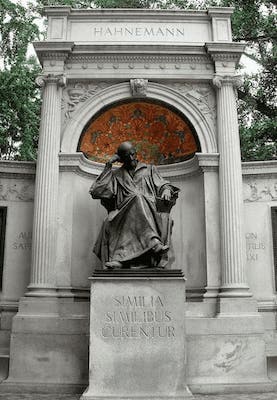
It therefore would be very useful to have a bridge that would allow patients to benefit from both the innovations of modern medicine and those of Ayurvedic homeostasis. However, fully utilizing the framework of Ayurvedic medicine requires learning new terminology in addition to making a paradigm shift that encompasses both physical and nonphysical energy. On the other hand, VC and other biomarkers can be understood using the terminology and concepts of modern medicine so they can be more easily utilized to help modern-day doctors and patients. One method for incorporating pranayama along with VC without a steep learning curve is to use the framework developed by Dr. Samuel Hahnemann, who was fluent with the terminology and concepts of Ayurveda as well as those of Western medicine. He developed the vitalistic and scientific framework of homeopathy, which was the primary form of health care in the United States in the mid19th century and is based on observable biomarkers, such as behavior, energy, appetite, and mood (12). This same framework can be used with any form of therapy, and because homeopathy uses conventional diagnostic data, it can be more easily integrated into modernday veterinary practice. The homeopathic framework allows doctors to use the biomarkers that describe the exposotype as well as lifestyle improvements such as pranayama that enhance patient QOL.
Practical Pranayama for Pets
As mentioned, integrating the sciences of the exposome, homeopathy, and Ayurveda has been demonstrated in hundreds of papers to improve patient life expectancy and QOL in humans. All 3 frameworks describe the interplay of the individual and the environment in similar fashions to allow better understanding of wellness and disease. Veterinary patient respiratory rate and depth can be altered to potentially achieve similar results, such as the reduction of cancer in people (8, 37). Therapeutic use of pranayama for pets, similar to the use of Ayurveda in people, is relatively easy to implement because breath control is already innately used by pets for communication and calming.
There are several physiological uses for breath control that are known to improve QOL and reduce problems such as fear, aggression, and separation anxiety (38, 39). One specific clinical application of this is a behavior modification protocol in which the anxious pet is taught to slow his breathing to help induce calm (39).This clinical protocol can be extremely useful for pets with chronic behavioral problems when trained over time. In addition, pets that suffer acutely, such as hyperventilating and panting cats, may also benefit.
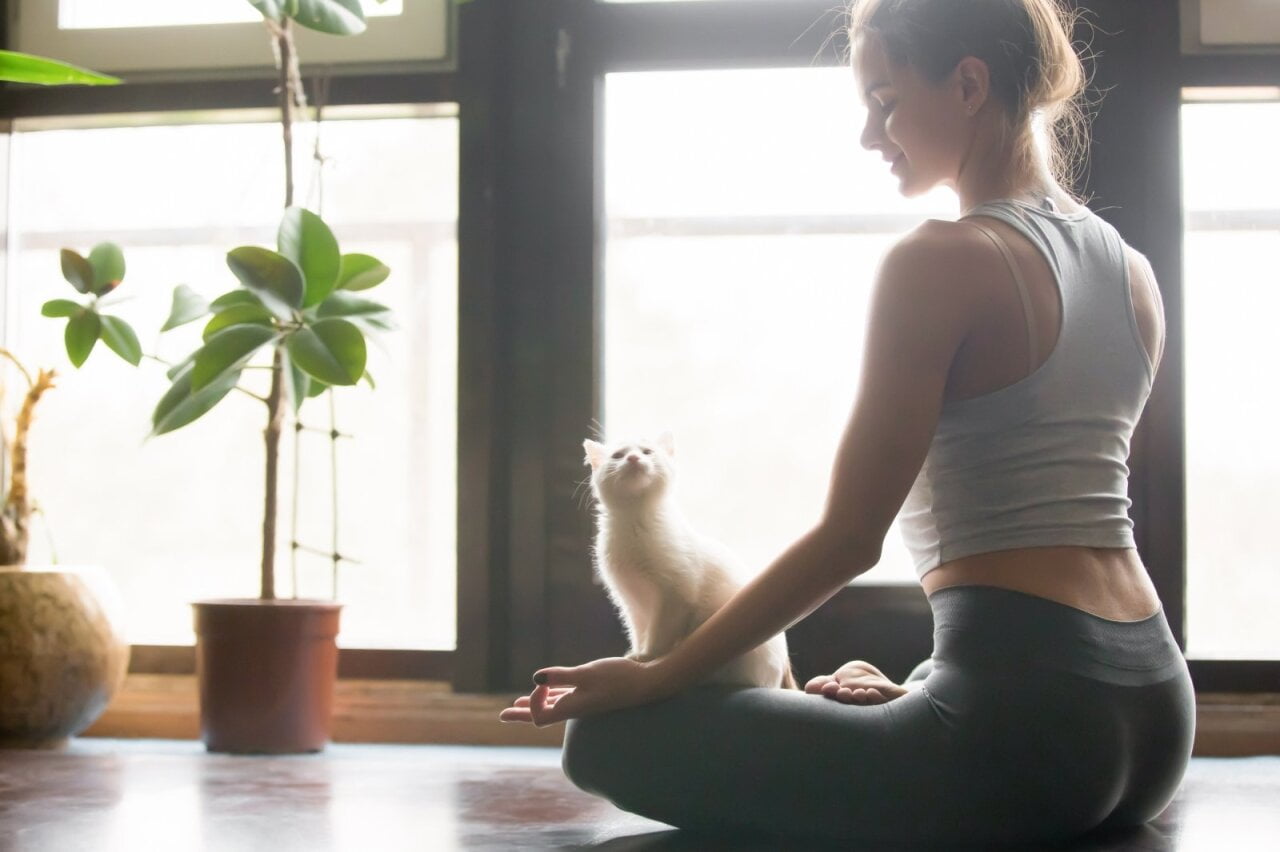
One example in people is the rapid improvement seen when they slow their respiratory rate by breathing into a bag. Even though most acutely anxious and panting pets will not readily accept bags covering their noses, breath control and calming techniques that quickly decrease sympathetic stimulation can still be used (see Appendix page 25). Calming interventions work best when clients intervene early in the stress response, which is facilitated by teaching them the signs of stress in dogs and cats (40, 41). In addition, the effectiveness of calming interventions is augmented when the client is also calm and breathing slowly and deeply (or using ujjayi breathing, in which airflow is restricted by slightly contracting the throat and breathing as though trying to fog up a window) to facilitate mirroring of the behavior by the patient.
Additional emotional calming and stress and disease relief mediated through the vagal parasympathetic relaxation response to respiration can be seen by the effects of restricted breathing, which is accomplished either by contracting the laryngeal muscles or occluding the nostrils (42). People who practice pranayama are taught the ujjayi breath as described above (42). Although slow breathing alone increases parasympathetic activity, altering the breath by using ujjayi-like breathing can be even more beneficial by facilitating calm, improving focus, and easing induction of a meditative state (42). In veterinary patients, ujjayi-like restricted breathing is most commonly observed in cats from the laryngeal muscular contractions of purring. By using the neurolinguistic technique of mirroring this type of “purr” breathing, the practitioner can help calm patients, establish rapport, and stimulate self-healing mechanisms (43). In the author’s experience, some cats can even be trained to purr on command by rewarding purring behavior with high-value treats.
Restricted breathing can have powerfully beneficial effects; however, too much of a good thing can also be deleterious, such as when there is too much restriction to airflow in extremely brachycephalic animals. Health problems secondary to decreased oxygenation and energy result in decreased longevity (44, 45). It is proposed that these animals are inactive in order to conserve vital energy, similar to people with ME/CFS who improve with rest and can only tolerate gradual activity (23). However, decreased activity and increased disease secondary to respiratory obstruction are also seen in pets who do not have extremely short skulls. There is a documented link between chronic diseases and decreased respiratory efficiency in mesocephalic Norwich terriers who have upper airway syndrome (46). Genetically predisposed individuals of this breed have decreased respiratory efficiency similar to patients who have brachycephalic obstructive airway syndrome (46). The author’s experience is that any brachycephalic or health-challenged and older pets, many of whom are unable to exercise, can have their QOL improved by using the pranayama for pet strategies discussed below, excluding overly strenuous activities such as running in animals with airway obstruction.
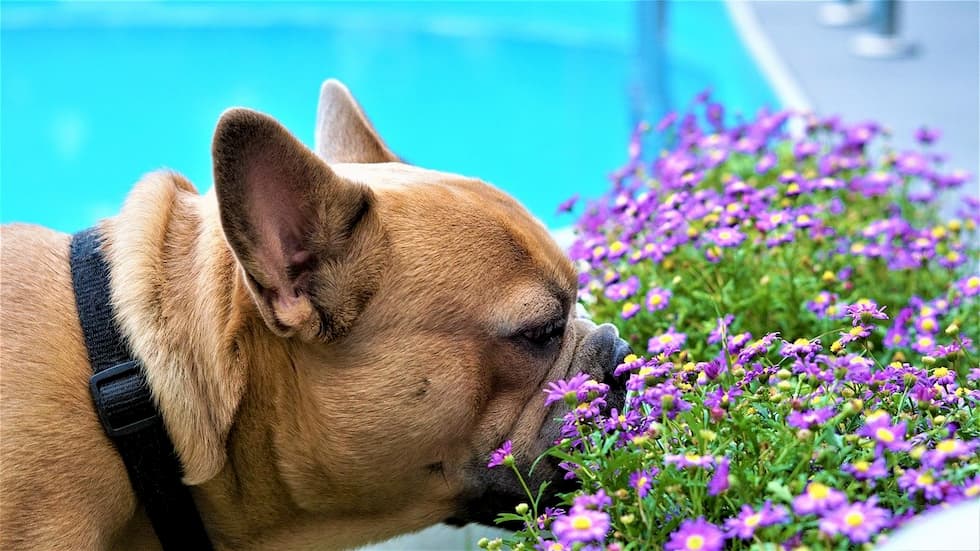
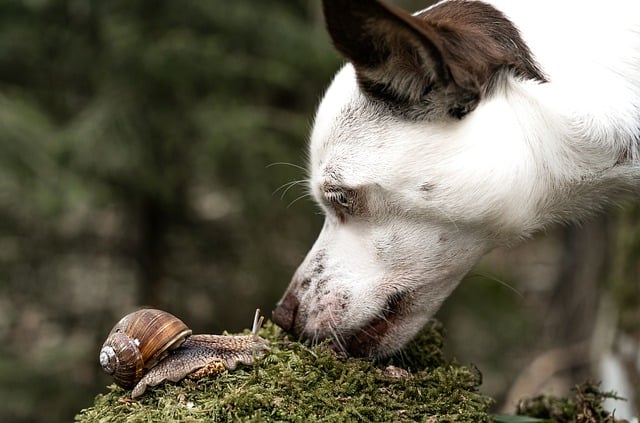
Perhaps the most powerful proactive application of pranayama for pets makes use of their keen sense of olfaction during the sniff walk. “Sniffing” pranayama activates the relaxation response and improves QOL and longevity by optimizing aerobic respiration, mental stimulation, and engagement, and is quite easy for clients to use (35). The everyday sniff walk is a great example of how pets’ keen sense of olfaction can be nurtured to help them increase their cellular energy to stay well and heal faster. People may go on a walk primarily for exercise, but if given a choice, most pets would spend most of their time on walks absorbing prana and practicing pranayama by stopping to sniff every few feet, improving their energy and QOL. Clients should be counseled to avoid tugging on the leash to keep their pets moving in order to maximize the potential benefits of pranayama while on a sniff walk. Even animals unable to do much exercise, such as those that are older or have arthritis or pain or other health challenges, can benefit from slow sniff walks.
Two other ways to harness the power of increased airflow are physical exercises, such as running and playing, and doing nose and scent work. Like the sniff walk, nose and scent work do not slow the breath to activate the autonomic reflex but rather use different neurobehavioral pathways to induce calm and improve focus both during and after these activities (38). Breath work improves focus and cognition and reduces distractibility of nervous dogs to facilitate training and increase learning (39). Exercising by running, playing, fetching, etc., increases the rate and depth of breathing in addition to the other known benefits of exercise (47, 48). Even pets that cannot exercise on land due to arthritic conditions or obesity can benefit from the effects of prana-building. Methods that increase respiration include swimming, using an underwater treadmill, and low-impact core exercises such as ball work, that improve healing and QOL. Even just walking outside in nature has been shown to improve QOL in people (49). Breathing and exercise have separate and additive effects on the improvements seen in people and animals (50).
Conclusion
In this article, it was hypothesized that pranayama can help veterinary patients achieve better treatment outcomes through mechanisms that increase both physical energy of ATP as well as nonphysical energy, or prana. This effect is similar to that seen in people with improved objective biomarkers such as VC, which are directly associated with the increased respiration and improved mitochondrial function from pranayama that is used in Ayurveda and yoga and correlate with improvements of all chronic diseases, QOL, and longevity (43). In addition to the improvements seen from increasing physical energy, it was postulated that there is an additive improvement from increasing the nonphysical energy of prana. This unseen and currently unquantifiable energy may be similar to the description of the biofield (3).
Pranayama is believed to be responsible for the many perceived and documented benefits of yoga in people, such as improved suppleness of the body, QOL, and aging (35). These beneficial effects were evaluated using both the energy-based ancient Ayurvedic medical framework as well as the molecular understanding of individuality and the exposotype. The understanding of equilibrium in homeopathy along with translated modern research allows better understanding and use of Ayurveda by veterinary scientists.
Further research is needed to fully quantify the benefits from pranayama and document the existence of the biofield to better understand and integrate these into veterinary medicine (3). Research is also needed to quantify the relationship between this nonphysical energy and measured cellular energy and mitochondrial function to facilitate effective use in specific health challenges such as cancer (37).
References
- Frawley D. Ayurvedic healing: a comprehensive guide. Twin Lakes, WI: Lotus Press; 2000:6–9.
- Van Lysbeth A. Pranayama: the yoga of breathing. London: Mandala Books; 1979.
- Kafatos MC, Chevalier G, Chopra C, Hubacher J, Kak S, Theise ND. Biofield science: current physics perspectives. Glob Adv Health Med. 2015;4(Suppl.):25–34.
- Iyengar BKS. Light on pranayama: the definitive guide to the art of breathing. New York: Crossroad Publishing; 2013:265.
- Patwardha B. Bridging Ayurveda with evidence-based scientific approaches in medicine. EPMA J. 2014;5(1):19.
- Rama S, Ballentine R, Hymes A. Science of the breath. Honesdale, PA: Himalayan Institute; 1996:VII.
- Sabia S, Shipley M, Elbaz A, et al. Why does lung function predict mortality? Results from the Whitehall II Cohort Study. Am J Epidemiol. 2010;172(12):1415–1423.
- Sengupta P. Health impacts of yoga and pranayama: a state-of-the-art review. Int J Prev Med. 2012;3(7):444–458.
- Saxena T, Saxena M. The effect of various breathing exercises (pranayama) in patients with bronchial asthma of mild to moderate severity. Int J Yoga. 2009;2(1):22–25.
- Galantino ML, Galbavy R, Quinn L. Therapeutic effects of yoga for children: a systematic review of the literature. Pediatr Phys Ther. 2008;20(1):66–80.
- Grandpierre A, Chopra D, Kafatos MC. The universal principle of biology: determinism, quantum physics and spontaneity. NeuroQuantology. 2014;12(3):364–373.
- Feinman J. Using the vitality and balance system in holistic veterinary practice. J Am Holist Vet Med Assoc. 2019; 54 (spring):18–25.
- Kannel WB, Seidman JM, Fercho W, Castelli WP. Vital capacity and congestive heart failure: the Framingham study. Circulation. 1974;49(6):1160–1166.
- Kang HK, Park HY, Jeong BH, Koh WJ, Lim SY. Relationship between forced vital capacity and Framingham cardiovascular risk score beyond the presence of metabolic syndrome: the Fourth Korea National Health and Nutrition Examination Survey. Medicine (Baltimore). 2015;94(47):e2089.
- Esfandyarpour R, Kashi A, Nemat-Gorgani M, Wilhelmy J, Davis RW. A nanoelectronics-blood-based diagnostic biomarker for myalgic encephalomyelitis/chronic fatigue syndrome (ME/CFS). Proc Natl Acad Sci U S A. 2019;116(21): 10250–10257
- Wallace DC. A mitochondrial paradigm of metabolic and degenerative diseases, aging, and cancer: a dawn for evolutionary medicine. Annu Rev Genet. 2005;39:359–407.
- Aw TY, Jones DP. Nutrient supply and mitochondrial function. Annu Rev Nutr. 1989;9:229–251.
- Howell N, Taylor SW, Fahy E, Murphy A, Ghosh SS. Restoring energy in a power crisis: mitochondrial targets for drug development. Targets. 2003;2(5):208–216.
- Harper JA, Dickinson K, Brand MD. Mitochondrial uncoupling as a target for drug development for the treatment of obesity. Obesity Rev. 2001;2(4):255–265.
- Lindqvist LM, Tandoc K, Topisirovic I, Furic L. Cross-talk between protein synthesis, energy metabolism and autophagy in cancer. Curr Opin Genet Dev. 2018;48;104–111.
- Aderemia AO, Novais SC, Lemos MFL, Alves LM, Hunter C, Pahl O. Oxidative stress responses and cellular energy allocation changes in microalgae following exposure to widely used human antibiotics. Aquat Toxicol. 2018; 203:130–139.
- Johnson TA, Jinnah HA, Kamatani N. Shortage of cellular ATP as a cause of diseases and strategies to enhance ATP. Front Pharmacol. 2019;10:98.
- Myhill S, Booth NE, McLaren-Howard J. Chronic fatigue syndrome and mitochondrial dysfunction. Int J Clin Exp Med. 2009;2(1):1–16.
- Sharma H, Aggarwal D, Sen S, et al. Effects of Sudarshan Kriya on antioxidant status and blood lactate level. Paper presented at: Science of Breath International Symposium on Sudarshan Kriya, Pranayam & Consciousness; March 2–3, 2002; All India Institute of Medical Sciences, New Delhi, India.
- Feinman J. Significance of signs, symptoms, mTOR and quality of life. J Am Holist Vet Med Assoc. 2019;56:15–21.
- Christen Y. Oxidative stress and Alzheimer disease. A J Clin Nutr. 2000;71(2):621S–629S.
- Duchen MR. Roles of mitochondria in health and disease. Diabetes. 2004;53(Suppl. 1):S96–S102.
- Jacquard C, Trioulier Y, Cosker F, et al. Brain mitochondrial defects amplify intracellular [Ca2+] rise and neurodegeneration but not Ca2+ entry during NMDA receptor activation. FASEB J. 2006;20(7):1021–1023.
- Jimenez AG, Winward J, Beattie U, Cipolli W. Cellular metabolism and oxidative stress as a possible determinant for longevity in small breed and large breed dogs. PLoS ONE. 2018;13(4):e0195832.
- Benz CC, Yau C. Ageing, oxidative stress and cancer: paradigms in parallax. Nat Rev Cancer. 2008;8(11):875–879.
- Rattray NJW, Deziel NC, Wallach JD, et al. Beyond genomics: understanding exposotypes through metabolomics. Hum Genomics. 2018;12(1):4.
- Johnson CH, Athersuch TJ, Collman GW, et al. Yale School of Public Health symposium on lifetime exposures and human health: the exposome; summary and future reflections. Hum Genomics. 2017;11(1):32.
- Brown RP, Gerbarg PL. Yoga breathing, meditation, and longevity. Ann N Y Acad Sci. 2009;1172:54–62.
- Vedamurthachar A, Janakiramaiah N, Hegde JM, et al. Antidepressant efficacy and hormonal effects of Sudarshana Kriya Yoga (SKY) in alcohol dependent individuals. J Affect Disord. 2006;94(1–3):249–253.
- Kuntsevich V, Bushell WC, Theise ND. Mechanisms of yogic practices in health, aging, and disease. Mt Sinai J Med. 2010;77(5):559–569.
- Federspil G, Sicolo N. The nature of life in the history of medical and philosophic thinking. Am J Nephrol. 1994; 14;337–343.
- Rao RM, Amritanshu R, Vinutha HT, et al. Role of yoga in cancer patients: expectations, benefits, and risks: a review. Indian J Palliat Care. 2017;23(3):225–230.
- Philippot P, Chapelle G, Blairy S. Respiratory feedback in the generation of emotion. Cogn Emot. 2010;16(5):605–627.
- Overall KL. Clinical behavioral medicine for small animals. Maryland Heights, MO: Mosby; 1997:580–599.
- Rugaas T. On talking terms with dogs: calming signals. 2nd ed. Wenatchee, WA: Dogwise Publishing; 2005.
- Calvo G, Holden E, Reid J, et al. Development of a behaviour-based measurement tool with defined intervention level for assessing acute pain in cats. J Small Anim Pract. 2014;55(12):622–629.
- Maehle G. Pranayama: the breath of yoga. Innaloo City, Australia: Kaivalya Publications; 2012:22–25.
- Von Muggenthaler E. The felid purr: a healing mechanism? Fauna Communications Research Institute website. https://tinyurl.com/felidpurr. Published 2001. Accessed September 30, 2019.
- Fawcett A, Barrs V, Awad M, et al. Consequences and management of canine brachycephaly in veterinary practice: perspectives from Australian veterinarians and veterinary specialists. Animals (Basel). 2019;9(1):3.
- Packer RMA, Hendricks A, Tivers MS, Burn CC. Impact of facial conformation on canine health: brachycephalic obstructive airway syndrome. PLoS One. 2015;10(10): e0137496.
- Marchant TW, Dietschi E, Rytz U, et al. An ADAMTS3 missense variant is associated with Norwich Terrier upper airway syndrome. PLoS Genet. 2019;15(5):e1008102.
- Ainsworth DM, Smith CA, Henderson KS, Dempsey JA. Breathing during exercise in dogs: passive or active? J Appl Physiol. 1996;81(2):586–595.
- Nicolò A, Massaroni C, Passfield L. Respiratory frequency during exercise: the neglected physiological measure. Front Physiol. 2017;8:922.
- Bowler DE, Buyung-Ali LM, Knight TM, Pullin AS. A systematic review of evidence for the added benefits to health of exposure to natural environments. BMC Public Health. 2010;10:456.
- Fu Q, Levine BD. Exercise and the autonomic nervous system. Handb Clin Neurol. 2013;117:147–160.
Appendix
The following are some breath slowing and restricting techniques for calming dogs and cats:
- Calm your own mind and breathe slowly and deeply (use ujjayi).
- Give 1 pellet of the homeopathic medicine Aconitum napellus 30C to patients every 10 minutes.
- Calm patients by using their name and a high-value treat while gently massaging relaxation marma points (similar to acupressure points in traditional Chinese veterinary medicine [TCVM]) using 2 drops of Rescue Remedy or other flower essence for relaxation.
- Continue to speak to them throughout this calming procedure using their name preceded by the word “good” (using a long “gooood”) in a soft, soothing tone.
- Maintain eye and physical contact for dogs if tolerated (avoid for fear-aggressive dogs).
- Do not stare at your pet; instead, use a soft gaze with a slow half blink for cats.
- If you already know a spot that calms your pet, gently stroke them there. If not, slow rhythmic stroking under the chin is calming for many dogs and cats.
- Traveling in crates covered with towels often helps slow breathing and aids relaxation in both cats and dogs.
In addition to the slow-breathing pranayama techniques, clients can train their pets to restrict their breathing by the following methods:
- Use the high-value treats to teach them to lie with their head down on one paw.
- Train cats to purr and simulate the relaxation response associated with play by feeding a high-value treat while holding a feather in front of their face. Keep a feather in the car for use if your cat hyperventilates (and pants) in the car.
The cat relaxation tips are courtesy of Jean Hofve, DVM, and the training tips are courtesy of Jen Bridwell, Certified Professional Dog Trainer.
Copyright © 2020. All rights reserved. No part of this article may be reproduced, distributed, or transmitted in any form or by any means, including photocopying, recording, or other electronic or mechanical methods, without the prior written permission of the AHVMA, except in the case of brief quotations embodied in critical reviews and certain other noncommercial uses permitted by copyright law.
 A few strategies to decrease this worry include:
 How would you like to be able to help restore balance in your pets’ bodies in a free and 100% safe way?