3 Simple Tips to Help Your Hypothyroid Dog

3 Simple Tips to Help Your Hypothyroid Dog

The Problem

Beau walked slowly into my office a few months ago and he obviously had a problem. A BIG problem. He was so obese that he looked like an engorged tick with a little head and legs sticking out from a huge body. He had no hair. He could barely get up after lying down.

Beau’s energy level and willingness to go for walks had been decreasing for a few months. At the same time, he was sleeping more and it was often difficult to rouse him from sleep. He was no longer greeting his family members when they came home from work.

He was also gradually losing hair from both sides of his body. It was just falling out. He wasn’t itchy, and didn’t have any skin abnormalities like hot spots.

Beau’s concerned guardians had taken him to their local veterinarian for an exam and blood tests. Aside from his obesity and alopecia (missing hair) everything checked out OK physically. The vet suspected that an underactive thyroid was causing a decreased metabolism, along with all of his signs and symptoms. 

Blood tests confirmed barely detectable thyroid hormone levels. It also showed that he had a mild anemia and elevated cholesterol, which are also commonly seen in hypothyroidism.

The vet prescribed vitamins and a prescription weight reduction diet. 

Lifelong Drugs?

During their follow-up appointment, Beau’s vet rechecked him and reported the results. Despite the vitamins and prescription weight reduction diet that he had prescribed, Beau had not lost a single pound or regrown any hair. Only one option was offered for the resolution of Beau’s hypothyroidism. Daily synthetic thyroid hormone.

These should help Beau’s clinical problems but would not solve the problem. These artificial hormones would therefore have to be continued throughout his life.

Lucky for him, Beau’s guardians were holistically minded and did not like the idea of giving drugs every day. They consulted with the seemingly omniscient “Dr. Google” and found that indeed there were other options for is treatment. Despite what they had been told by their family vet.

The Solution

The following 3 simple lifestyle and medical modifications allowed full resolution of Beau’s clinical symptoms with no need for synthetic drugs. His weight is back to normal, his coat has fully regrown, and he has regained his zest for life.

hypothyroid dog, holistic pet careHERE IS HOW:

  1. Constitutional homeopathic treatment. “Constitutional” means it’s unique to each individual and is selected based on lifelong symptoms and characteristics. This treatment addresses all of the imbalances in his body, not just the low thyroid hormone.
  2. Fresh food with no processed, carbohydrate-laden dry or canned food. This means primarily raw (or cooked) meats and some steamed vegetables fed in moderation and variety.
  3. Supplementation with thyroid glandulars, trace minerals, soluble Coenzyme Q10, etc.

All of Beau’s physical problems resolved and his blood test abnormalities continue to improve. Biochemical changes often lag behind the outwardly observable improvement. Successful homeopathic and holistic treatment can normalize the blood values as well. 

Lifelong daily thyroid hormones can be avoided with homeopathic treatment. Even better is the resultant higher level of health and happiness that our devoted and beloved companions deserve.

Your Cat’s Urinary Problems Are NOT Inevitable

Your Cat’s Urinary Problems Are NOT Inevitable

Simba’s Urinary Problems

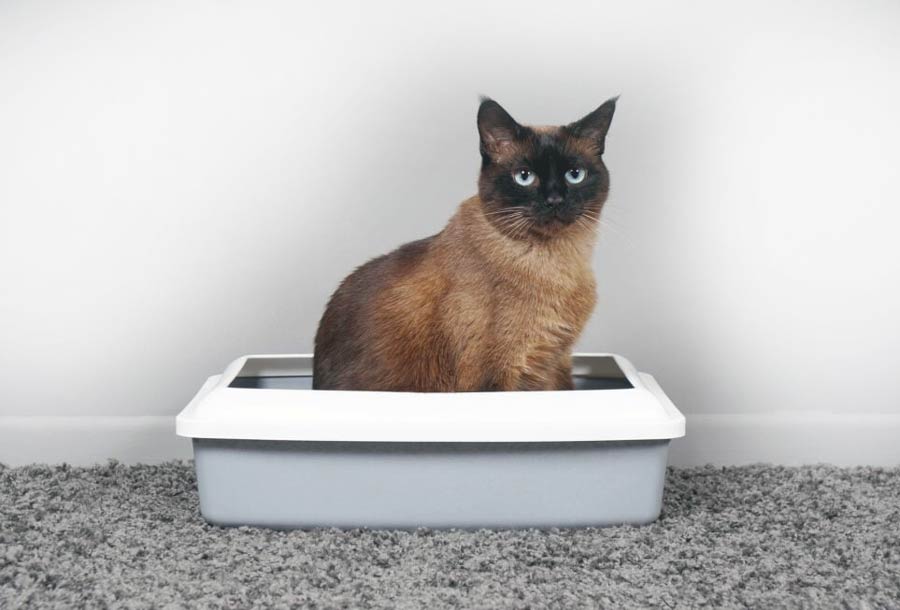
In June 2001, Simba was licking his rear end and visiting the litter box frequently. He ran urgently to the box every few minutes for an hour in the middle of the night. He’d try to urinate, but only a few drops would pass. Sometimes nothing at all. He’d even occasionally yowl as if he was in pain while he was trying to urinate.

That night his guardian found drops of urine on the floor near the box. Some of these were pink and seemed to contain blood. Simba seemed fine otherwise and ate a good breakfast the next morning. Nevertheless,  he was stuffed in a little cat carrier and whisked away to his regular vet later that day.

Simba’s exam was normal, and the vet advised a urinalysis to check for a urinary problem. A few drops of pink cloudy urine were on the stainless steel exam table. The small sample was thick and showed microscopic crystals and blood.

No urine culture was done and no bacteria were seen, but the vet diagnosed a bladder “infection” and dispensed antibiotics. These were given and the urinary problem quickly resolved. Simba seemed fine for a while. A few months later, the same problem returned.

Recurrence Is Common

This is an all-too-common scenario. Urinary problems in cats are a huge clinical and household management problem. Here, we’re going to show how a vitality, balance, and homeopathic approach allowed Simba’s guardian to better understand Simba’s health challenge and how to help him.

Simba continued to have similar recurrent urinary symptoms, especially in the fall, which is a common time to see feline urinary symptoms. This observation is typically left unexplained in conventional veterinary medicine, but vet homeopaths understand that this is a modality: an expression of Simba’s individuality, including his circadian rhythms and internal clock.

In the fall of the following year, he became unable to urinate. He would cry and strain unproductively in the box. His guardian thought he might be constipated but wisely went right to her vet.

Simba was unable to urinate. His urinary obstruction had caused toxins to back up in his blood. Fortunately, a urinary catheter immediately enabled him to urinate and intravenous fluids flushed his blood clean of uremic (from the kidney) poisons.

Simba went home and was doing great. Then one day just a few months later he started to strain again. Another emergency vet visit revealed a blockage again. This time, though, it was difficult to pass a urinary catheter. The local vet advised surgery and referred him to a surgical specialist for a perineal urethrostomy (removal of the narrowest part of the urethra by amputating the penis).

His mom wanted to avoid surgery if at all possible. Here is where homeopathic and holistic care helped avoid surgery and promoted deep healing to prevent future urinary issues. Read more about Simba’s healing below, and first learn more about urinary dis-ease.
cystitis, cat urinary, holistic pet care

Enter Pandora

Recently, a lecture by an eminent veterinary urologist introduced me to Pandora Syndrome (PS). He had helped coin this term, using it to describe a syndrome that included all of Simba’s symptoms which had previously been classified as Feline Urinary Syndrome (FUS), Feline Lower Urinary Tract Disease (FLUTD), Feline Idiopathic Cystitis (FIC), etc.

Diagnosis, pathogenesis, and the physiologic changes seen in PS were discussed. Many of the earlier theories about cause were mentioned but discarded. Dietary ash, fish, magnesium, etc. were likely not important triggers. Wonderfully, this purely conventional veterinary scientist spent the majority of his allotted time making holistic lifestyle recommendations. Simple modifications such as enriching the environment were found to be helpful when managing PS.

Risk Factors for Pandora Syndrome

Simba’s urinary symptoms began in the summer, however, fall and the onset of cooler weather is associated with increased cases. Indoor and overweight cats are at a higher risk for PS. So are those in multiple cat households.

Simba had many of the typical PS signs. He was also a big boy. Some might say “big-boned” even. It’s a standard vet practice to initially prescribe antibiotics when these symptoms are seen. Unlike dogs, however, bacterial infections are rarely implicated in feline UTIs.

Antibiotics Are (But Should Not Be) the First Treatment for Feline Urinary Problems

In many cats, PS symptoms resolve with a special diet, antibiotics, anti-inflammatories, muscle relaxants, urethral dilators, and anti-anxiety medications. However, symptoms often return or never fully resolve. In these cases, most vets will then switch prescription diets and add other drugs. Some conventional vets may also recommend lifestyle changes.

This is a great conventional vet article summary by one of those that coined the name PS.

Holistic and Homeopathic Help To Close Pandora’s Box

  1. Ideal nutrition
  2. Weight loss
  3. Promoting happiness
  4. LItter box
  5. Mental stimulation

Many cats with urinary symptoms and diagnosis of FUS, FLUTD, FIC, PS, etc. can be helped by homeopathic and holistic treatment.

Preventing urinary problems before they start is the most effective way to address all of these.

“It Burns, It Burns…”

Cats are desert dwellers and evolved to be able to conserve fluids. One of their adaptations includes the ability to concentrate urine by allowing maximal water reabsorption of urine. Cat urine can therefore get very concentrated and irritating to the bladder wall.

The longer urine accumulates in the bladder, the greater the chance for urinary symptoms classified as cystitis.

Helping your cat maintain dilute urine can be critical when trying to prevent bladder irritations.

Not feeding dry food is the most important thing that you can do.

Evolutionarily many cats are not wired to have much urge to drink. Just changing from a primarily dry to a wet-based diet is essential. The best is to incorporate a fresh food and meat-based diet. 

Some like Simba even allow extra liquids mixed in with the food or syringed in the mouth.

Obesity

Feeding a fresh food diet is the best way to help them lose weight, which can be a key step to preventing urinary tract problems.

Weight loss and changing to a wet and fresh food diet will help most cats with urinary symptoms.

HAPPINESS – It’s A Cat’s Life?

Your cat’s life might seem perfect to you, but unhappiness may be subtle and could be a trigger for urinary symptoms. Is your cat happy? Urinating outside the box and spraying are among the most common complaints that bring clients to the vet, which are symptoms of urinary dis-ease.

In my experience, the three most common causes for kitty urinary symptoms from unhappiness are:

  1. Litter box problems 
  2. Overpopulation (too many cats in a small space)
  3. Boredom

Like their namesake, Pandora kitties can be overly emotional. Addressing all of these potential problems is critical when holistically treating PS.

Resolving Litter Box Problems
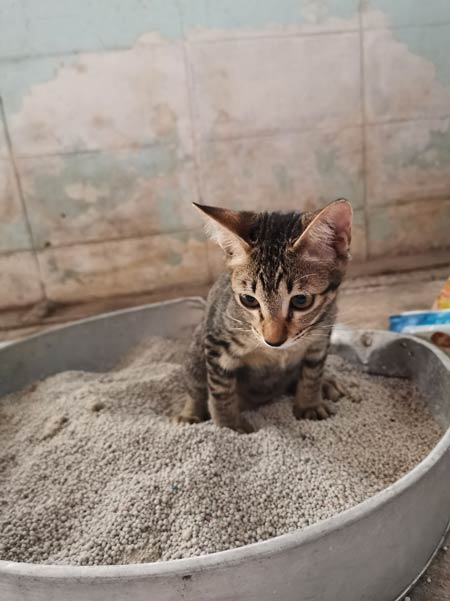
urinary problems, cystitis, cat urinary, litter box, holistic pet careDo everything possible to prevent avoidance of the litterbox. Some cats develop urinary symptoms and PS strictly because they are “stressed” about some aspect of using the litter box. Do your best to maintain an immaculate litter box. Ideally, scoop the box after every use. Empty and wash the box and refill it with brand new litter every week or two.

You may need to try different litter types (clay vs. sand etc.) in addition to maintaining good litter cleanliness. Use an unscented litter as what smells pleasant to us is often aversive to your cat. There’s a good study that shows spraying Zero Odor in the box after cleaning increases litter box use.

Vet behaviorists that commonly treat PS cats have a rule of thumb. The rule is to always have one litter box more than the number of cats in your household.  2 cats=3 boxes. If you live in a small space, it can be difficult to have multiple cats, especially if one has urinary symptoms and needs an extra litter box but you have no place to put it. In this case, it’s very possible that your cat’s urinary symptoms are (at least partially) due to feline overcrowding.

Litter boxes should be in quiet spots in your house with easy access by your cat. It’s no surprise if your cat pees on the carpet because the door to the basement was closed. Areas, where there could be loud and sudden noises, can also be a problem. Move your boxes away from the washer and dryer, furnace, actively used toilets, etc.

Some multi-cat households contain bully cats. These can often be seen preventing litter box access to other cats. Be on the lookout and gently intervene if you see this.

Too Crowded?

Cats are not naturally pack animals, even though they may have kitty friends. One solution for multi-cat households is to create multiple levels and hang-out areas ( even cardboard boxes) in your home so that each cat or group of cats can avoid feeling crowded. “Catios” are an excellent way to expand the space available to improve happiness. 

Is Boredom Causing Unhappiness?

Some years ago, the vet urinary researchers at OSU observed an association between environmental factors and urinary symptoms. Besides the litter box and inter-cat problems, they found that some smart cats were having recurrent urinary signs because of boredom.

Many cats are really smart. So smart that we need to be very creative to discover ways to interact with them. 

Teaching them kitty agility and how to do hi-fives, playing fetch, taking them out for walks on a harness, singing along with you, and more. See below for a link to an hour-long video with other fun ideas. 

Like people and dogs, each cat is unique, so seek the stimulation that each individual cat loves. Some cats even seem to love being read aloud to.

The indoor pet initiative also has many ways to improve your cat’s environment. Be sure to work both his brain and body to help prevent pet problems associated with lifestyle issues like PS.

Also, it is best not to reprimand your cat when it comes to inappropriate urination. Promote the positive and ignore the negative. Any interaction with your cat should be a good interaction.

What About Simba?

Simba was already on a great, varied, commercial raw diet. However, his urine was still concentrated. There were no other problematic environmental factors. Simba would not eat his food when extra water or chicken broth was added.  Fortunately, he would accept extra fluids given by syringe. These kept his urine optimally diluted.

Internal medicinal homeopathic treatment was initiated. Simba’s urinary symptoms resolved and eventually, transient mild skin symptoms developed. At the same time his energy, mood, and overall vitality improved. He never needed surgery and never had other urinary symptoms or blockage, and his chronic skin symptoms “coincidentally” resolved.

Putting the Individual Front and Center: Four Pillars of Practice for People and Pets Alike

Putting the Individual Front and Center: Four Pillars of Practice for People and Pets Alike

Ever been good friends with a pair of identical twins? If so, you know that one of the most frustrating things for them as children is the assumption that they are alike simply because they share the same genes.

This blindness to individuality is not just something twins face. It’s also something that almost every single person or animal faces when seeking conventional medical or veterinary care. The ascendance of both germ and gene theory — the view that pathogens or genes “cause” dis-ease —  has turned much of healthcare into a reductive “one size fits all” affair.

individuality, healthy pets, holistic pet care

The individual is nowhere to be found in this “paint by number” approach to health and healing. Since a disease oriented approach to treatment fails to recognize and factor the vast individual differences in susceptibility that occur even in genetically identical populations, dis-ease is much more likely to be created in the process of attempting to cure it.

The reams of research on iatrogenic illness — illness that is caused by medical treatment — testify to the need for a radical paradigm shift that puts individuality front and center. Here are the four “pillars of practice” our veterinary team at Holistic Actions! rely on to keep individuality at the center of everything we do.


1. A NEW CONTEXT – the Individual

Treating each individual’s unique needs rather than treating dis-ease categories requires key insights drawn from the sciences of complexity. Living beings (humans and animals) are complex, self-organized systems. This means that individuals, like health and dis-ease are complex and are a dynamic expression of many differentially weighted yet intrinsically related variables.

In a healthy system, all these variables work together to preserve homeostasis of the whole system, allowing the person or animal to stably maintain its vitality and balance, and therefore to successfully defend against dis-ease. It’s only when this homeostasis begins to be lost that susceptibility to “genes and germs” sets in, making these variables just one piece of a much bigger, more complex puzzle.


2. A NEW MODEL – symptoms as clues

For too long, we have been conditioned to view symptoms as an enemy to be medically defeated. But symptoms are not our enemy but our ally. Knowing how to use all your pet’s unique symptoms as valuable clues for addressing specific imbalances is a critical part of the practice of truly “precision” medicine.

At Holistic Actions!, we teach pet guardians (who know their pets best) to track symptoms across the BEAM model, which stands for Behavior, Energy, Appetite, and Mood. We help them interpret these symptoms to guide individualized holistic treatment actions, closely tracking changes in them to help gauge and guide subsequent treatment.


3. A NEW METRIC – the exposome

Every pet, like every living being, has their own individual symptoms at different times. One stressor, like a virus, toxin, emotional stress, etc. can trigger 3 different responses in three different individuals. Scientists have created a new more holistic paradigm that quantitates internal biochemical responses by the body to stressors. The HA! interpretation of the exposome is that it may be a research-based modern paradigm for understanding your pet’s molecular susceptibility and individuality. We see the exposome as a molecular measure that can be used to reflect risk and the need that a person or animal will need highly individualized support to regain their vitality and balance.

The exposome provides robust metrics for assessing a person’s or animal’s adverse environmental influences (AEIs), or the number and severity of negative impacts they have experienced throughout their lifespan (and before birth). It factors in variables that include exposure to toxins, foods, emotional and other environmental factors like a history of abuse or neglect. AEIs increase the risks for dis-eases  that all start at the cellular level. Holistic actions like playing, purring/sniffing (like pranayama) and petting have been clinically shown to improve quality of life and happiness for pets. The basis of the Happiness Protocol is individuality and the exposome.


4. A NEW GOAL – vitality & balance

Because the absence of dis-ease is not the same thing as radiant health, our team at Holistic Actions! are never content to simply alleviate symptoms, and we don’t stop even when we’ve successfully resolved an illness or medical condition. Instead, we aim at nothing less than working with pet guardians to build greater vitality and balance than ever before, and thus high levels of resilience and immunity.

By analogy, we’re not interested in spraying the struggling “garden” of our patients’ system with a battery of pesticides. And we won’t even settle for pulling out all the “weeds.” Instead, we want to learn exactly what’s behind each patient’s susceptibility so we can take individualized holistic actions to allow their “garden” (their internal system) to flourish and thrive.

We do this by increasing cellular energy with a customized multiplicity of targeted nutritional enhancements, dietary supplements, and specialized enrichment activities that promote wellbeing and happiness. The efficacy of these approaches is well documented in many respected research studies and public health resources and have been shown to positively correlate with greater overall health, extended longevity, and spontaneous remission from dis-ease, including cancer.

The time has come to restore individuality to its rightful place in the practice of medicine, human and veterinary. By assuming a complex systems view, assessing susceptibility with the exposome model, using symptoms as valuable clues, and moving beyond curing dis-ease to promoting health, we can at last do justice to each individual and do our part to usher in a new era of health, happiness, and human and animal flourishing.

The Happiness Protocol: Why Individuality and Happiness Play a Huge Part in Your Pet’s Health

The Happiness Protocol: Why Individuality and Happiness Play a Huge Part in Your Pet’s Health

At Holistic Actions!, we are committed to so much more than helping pets become symptom and dis-ease free. The absence of dis-ease is not the same as the presence of health, and that’s why the end goal of everything we do is based on promoting, restoring, and maintaining vitality, balance, energy, happiness, and deep wellbeing.

True health is a “big picture” affair that involves every aspect of your pet’s body and larger life: their genetics, their diet, the amounts of exercise they get, whether they’re provided with regular enrichment exercises, how they were socialized, how close they feel to their guardians, how at ease they feel around other pets, whether they’ve been exposed to toxins, and so forth. Only by addressing and individually optimizing every single one of these aspects can we truly say that our pet is truly vital and balanced and healthy and happy vs merely dis-ease free.

Individual Optimization: BEAM and the Exposome

Every pet, just like every person, is an individual. The “paint-by-numbers” approach that has come to plague mainstream medicine prevents patients — animal or human — from receiving truly customized care based on their unique biology, life history, and symptoms. That’s why at Holistic Actions much of what we do depends on using two powerful approaches for assessing and working with your pet’s individuality: the exposome, and BEAM.

The exposome allows us to assess your pet’s individual exposure to things that can make them more susceptible to dis-ease: either exposure to negative things (like toxins, abuse, neglect, and so forth), or a lack of exposure/access to positive things (sound nutrition, adequate exercise, enrichment activities, and much more.)

BEAM is an acronym for Behavior, Energy, Appetite, and Mood. We teach pet guardians (who know their pet best) to identify and track symptoms across these four categories. Taking inventory of your pet’s BEAM allows us to collect highly specific clues based on your pet’s unique set of symptoms to support diagnosis and guide our initial treatment efforts. It also provides a baseline from which to assess how your pet is responding over time to the individualized treatment protocols we create for them.


Holistic Action’s Pet Happiness Protocol

Some compelling research demonstrates what we’ve been saying here: that health is about so much more than the absence of dis-ease, and that the experience of wellbeing and happiness may turn out to be one of the biggest (if not the biggest) predictor and “maintainer” of true health.


Research into Blue Zones

Dan Buettner’s research of clusters of people around the world who are the most long-lived, dis-ease free, vital, balanced, energetic, — suggest that happiness (and the strong, satisfying connections self, others, nature, meaningful activities, and a sense of purpose on which happiness is based) in inextricably related to true health.

Research into Radical Remission

Dr. Kelly Turner’s work identified 9 factors that promoted the spontaneous resolution of even serious dis-ease like stage IV cancer — provides further evidence that lifestyle changes that create conditions for happiness, connection, meaning and purpose play a huge role in the body’s capacity to not only heal itself from life-threatening illness but to actively thrive in the wake of it.

Research into Flow and positive psychology (aka “overflowing with joy”)

Wow, I am super excited by this wonderful work! This incredible field is describing the specific mechanisms and strategies to maintain and regain optimal functioning of the body both in all ways (psychological and physiological). It connects all the dots. The awe-some research by Drs. Mihaly Csikszentmihalyi, Martin Seligman,  journalist-research Steven Kotler, and many others around the world, are describing the neuropsychiatric mechanisms and strategies that help people and pets live happy and vital lives.

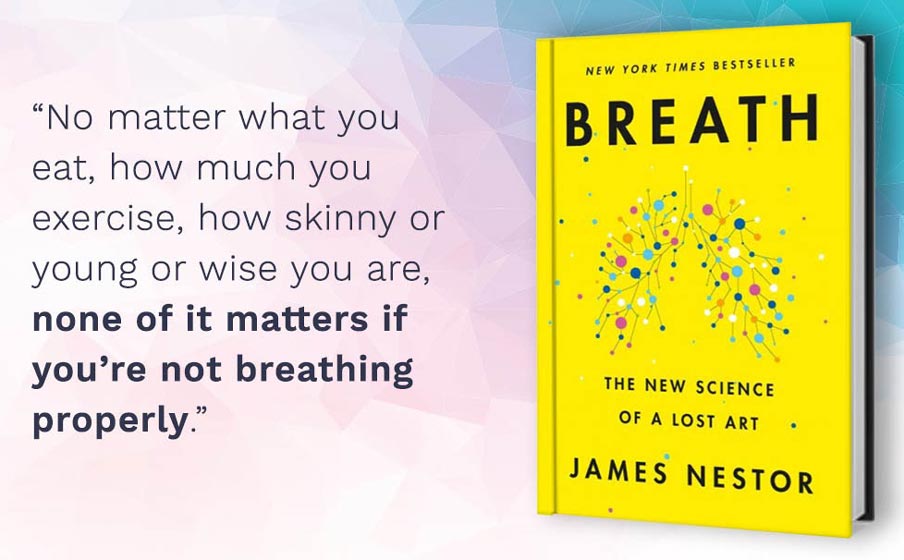
More exciting research into the connection between the power of breathing, happiness, sense of purpose, community and engagement is being conducted by researchers around the world, Journalist James Nestor’s excellent book on the science of breathing and awe-some work by the Art of Living Foundation are just a few examples.

Why does happiness seem to have such a powerful hand in health?

Current research suggests that the experience of happiness supports and increases cellular energy and smooth cellular flow in living creatures, and we at Holistic Actions! believe that high degrees of cellular energy and smooth flow of information between cells enable pets bodies to have the best possible lives. They do this by maintaining balance, immune resilience, and speed healing from illness. Not only that – it’s been proven, that happiness can actually turn the bad genes off and the good genes on! Which means that even susceptibility to the disease caused by genetic predisposition could be decreased by using the Happiness Protocol.


Unleashing the Power of Happiness With the Happiness Protocol

At Holistic Actions!, we know it’s sometimes not enough to increase cellular energy with optimized nutrition, supplementation, and holistic approaches drawn from nature, the ancient healing arts, indigenous medicine, and the best of modern science. It’s also helpful to increase cellular energy by promoting intercellular communication by optimizing your pet’s happiness.  

The Happiness Protocol is individualized for every pet and you can do it today with 3 easy and fun steps:

STEP 1. IDENTIFY. Find out what your pet loves more than anything – food, walks, toys, play, agility, nosework, touch, praise, etc. – each animal is an individual.

STEP 2. IMPLEMENT – DO MORE OF IT. The more severe the imbalance, the more time you’ll want to spend doing the activity that brings your pet joy.

STEP 3. INVESTIGATE. Give it 2-4 weeks, then look for improved BEAM, bloodwork, and external symptoms.

And here’s a few holistic actions to bring your pets joy today.

The Power of “Puppy Pranayama” — Sniff Walks and Snuffle Matts

Dogs (even more than cats) have a huge number of nose and brain connections to experience the world through their noses. Their powerful sense of smell is the number one way they explore their environment. A dog’s ability to regularly exercise their sense of smell has enormous implications for their health and cellular energy. If they can do so in the sunshine and open air, even better! If this is not practical because of your pet’s limitations, a snuffle mat is a great tool for indoor pranayama (breathing exercises). The snuffle mat is like a shag carpet in which you hide treats which your pet then sniffs out. This “exercises” their brain similar to the sniff walk. Daily therapeutic “sniff walks” are loose leash walks that help the body heal and support vitality (cellular energy) by providing it with more oxygen and prana (life force energy). Cat’s benefit from pranayama too, and you can encourage this with the “hunt for treats” game or anything that makes them purr. Purring is akin to the restricted breathing of the ujjayi breath in yoga (cats are natural yogis!). If you’d like many more details, read this vet journal article on the extensive benefits of pranayama.

The Power of Play — Meaningful Connection and Pleasurable Exertion

Remember how we said a sense of meaningful connection is one of the bases for happiness? Playing with your pet, or promoting play with other animals, is an important piece of the happiness protocol because when you and your pet interact in this way it’s one of the most positive and powerful forms of connection you can share with them. Not only does it deepen the bond between you, it also provides an opportunity for pleasurable exertion — for your pet to move their body for the sheer joy of doing so.

The Power of Novelty — Old Dogs (and Cats) Learning New Tricks

Pets benefit from novelty —  of being safely introduced to new things to help keep their brains sharp and to help them heal. Whether that’s a new toy, a new friend, a new park, a new agility course, or a new healthy treat, your pet’s happiness and wellbeing will increase through exposure to novelty. This can be especially powerful to help “tune-up” pets who have early warning signs of cognitive decline.

Click here for more actions you can take to increase happiness.

Understanding the role of individuality and happiness is absolutely essential

for moving beyond merely treating dis-ease and instead focusing on creating true health. All living creatures — animal or human — want to thrive and flourish, to feel loved and to feel free, to feel energetic and at ease, to safely experience new things, and so much more. At Holistic Actions! it’s our mission to ensure you have the tools, support, and resources for making this a reality for your pet. We’re here to empower you to help your pet live their healthiest, happiest, and longest life.