Can Nutritional Supplements Hurt Your Pets?

Can Nutritional Supplements Hurt Your Pets?

We live in a fast-paced society. We want quick results. Especially when our beloved pets develop scary symptoms.

Drugs are designed to eliminate these symptoms. And in many cases, they do this quite effectively.

At the same time, many of us have become more holistically-oriented. We prefer to avoid artificial drugs when possible. Especially since we know that many of them can have harmful side effects, including death.

That’s where supplements come in. A healthier and more natural alternative.

To Supplement Or Not To Supplement?

Extensive research shows that some of these natural drugs are very effective. Healing mechanisms of the body can be supported by nutritional supplements. That’s a good thing.

But is it all good?

No.

Two reasons.

The most common is that supplements can be used to hide important symptom clues. Covering them up, like drugs often do, can actually slow down the deep healing process that leads to happier and longer lives for our pets.

Even food can be used to do the same thing. One example is the pup that “needs” to eat a special diet or else he gets diarrhea, or itchy skin (or some other symptom).

The diet is being used to cover up symptoms.

The real problem in this case is that the allergic threshold is too low. The food is being used to cover up symptoms that are important and helpful to monitor and treat directly.

In this case, an underlying immune hypersensitivity causes the low allergy threshold. But the symptom clues are being covered up. So the real problem can’t be treated directly.

Don’t Cover-Up The Symptoms

Why should we avoid covering up these symptoms? Because the result of internal treatment is that fewer foods trigger an allergic reaction. Sometimes even resolution of otherwise “incurable” allergies.

Seeing and treating the underlying dis-ease (imbalance) is important to resolving the symptoms that caused the use of drugs or supplements in the first place.

The second, but much less common problem with supplement use is that they can increase the work of important organs like the liver and kidneys. Again, slowing down, and even worsening health.

So mindful use of supplements can help. But overuse can hurt.

This may seem confusing and contradictory, but it’s really not.

If you have any questions about how nutritional supplementation can be helpful, or harmful, feel free to post them in the private Holistic Actions! Facebook group.

Holistically Monitoring Kidney Dis-eases at Home

Holistically Monitoring Kidney Dis-eases at Home

Problem = possible decreased kidney function.

Holistic Action! = monitor for early warning signs and kidney function at home while promoting healing by your pet’s body.


Meet Henry

Henry is a 6 year old Golden. His mom has been watching him drink much more than usual. Everything else about him is normal.

Nothing has changed with his BEAM (Behavior, Energy, Appetite, Mood) or other symptoms and his blood tests are all normal.

What can his concerned guardian do?

Wait and watch and reactively treat when problems arise? Or proactively prevent a problem before it starts?

Diane is holistically-minded and has heard about how dis-ease progresses. She knows that internal imbalance moves from the functional “nothing is wrong” except an external symptom level to the structural level where the kidney tests are abnormal.

She chose to be proactive so is watching Henry like a hawk and closely monitoring for any changes. She wants to know right away if something is wrong and nip any problems in the bud.

The Four Methods

There are four simple things Diane can do at home that reflect directly on kidney function.

These same four methods can be used to monitor any stage of kidney failure. Whether your pet seems fine, or has a named dis-ease like “Lyme nephritis” or “CKD” (chronic kidney disease).

  1. Measure the amount of water he is drinking.
  2. Keep a close eye on quantity of urination for Henry and size of urine clumps in cats.
  3. Use a sensitive dipstick test at home to keep track of protein loss in the urine.
  4. Monitor the concentration of the first morning urine with an inexpensive and easy to use device called a refractometer.

Along with these simple home tests, your veterinarian can pickup early kidney dis-eases at home by comparing any bloodwork that has recently been run to previous results.

Even when tests are “normal”, trends of the results can be very important.

For example, creatinine is one blood test that is run on most screening panels. There is a phenomenon called “creatinine creep” which can be a great internal symptom early warning sign that kidney function is decreasing.

Using these simple holistic methods of monitoring internal and external symptoms, you can help your pets live happier and healthier lives.

Join us at Holistic Actions! Academy to have our faculty help you to help your pets.

Stay well.

Dr. Jeff

What’s Your Pet’s BEAM?

[chained-quiz 2]

Holistic Help for Dogs and Cats With Cystitis Symptoms

Holistic Help for Dogs and Cats With Cystitis Symptoms

The problem? Cystitis (Urinary Tract “Infection” or UTI).

Solution and take home? An easy process to resolve and prevent it.

—————————————————————–

You come home to a puddle of urine on the kitchen floor or outside the litter box. Or maybe your previously well housebroken 5 month old puppy wakes you up overnight with a urgent request to go outside to pee.

“Inappropriate” (to you, but not your pet) urination, frequent, urgent, painful and otherwise abnormal urinations are common clues that your pet may have cystitis (UTI). What does that really mean?

Any “itis” is an irritation. That’s it. Not infection. A healthy and natural response by the body. Cystitis (bladder irritation), or enteritis (intestinal irritation), dermatitis (skin irritation) are clues that there is an internal imbalance causing an irritation and inflammatory response.

Inflammation is the body’s natural healing mechanism. Cystitis does not mean the there is an infection. The symptoms that you see are clues to what is going on internally.

Your working with the body to help these symptom clues has two effects:

  1. Gradually resolve symptoms by treating the underlying imbalance (better known as “dis-ease”).
  2. Improve overall health which reduces the chances for relapse.

Bacterial infections do not usually cause cystitis. Most commonly, the bacteria are only secondary invaders. Like a one-two punch. Inflammation causes the tissue irritation which sets the stage for bacterial overgrowth.

Healthy bladders (and other parts of the body) have built-in very strong protection against infection. These include physical barriers, natural anti-biotic properties of urine, and a powerful immune system.

Understanding the physiologic changes that occur in cystitis can help you decide how to help your pet. In cats (and some dogs) the most common causes are related to the environmental-emotional-physical connection. They trigger the inflammatory response and cystitis symptoms. Not an infection.

Here’s what you can do:

1. Evaluate the environment and litter box hygiene. Any change can trigger these symptoms. Especially in cats. If there are no obvious trigger that you can modify (like feeding dry food, a dirty litter box, new litter, a new pet) then go to step two.

2. Bring a urine sample (or your pet) to your veterinarian. The vet’s diagnosis and treatment recommendations add reliable information to your Holistic Medical Decision Making (HMDM Step 2). You can use of this information both for treatment decisions as well as for monitoring.

  • Try not to let any urinalysis findings (like crystals, white cells, blood, etc.) scare you into treating any way that you’re not comfortable. These abnormalities can resolve as the underlying dis-ease is treated.
  • What you do now will have a direct effect on persistence, recurrence and progression of the dis-ease.

3. Increase fluid intake and fresh food feeding. Stop any dry food. This is critical. Especially for cats. Adding organic chicken broth to the food is one great way to increase fluid intake. Make the food as soupy as your pet will accept.

4. Monitor both the urinary as well as the BEAM (Behavior, Energy, Appetite, Mood) symptoms. These will help you decide if your pet is improving overall. In addition to just urinary symptom improvement. Record them in your journal to decide your next step.

5. Re-evaluate the treatment. Is it holistic? Does it take all of the different factors, like environment and stress, into consideration? If there is no improvement or if only the urinary symptoms improve while overall health is declining (maybe your pet’s urinary symptoms are better but now s/he is lethargic, getting pickier, having diarrhea or vomiting, etc.) then move to step 6.

6. Discuss treating the underlying internal imbalance with your vet. If she says to just continue the anti-biotic, or rolls her eyes, then consider consulting with a truly holistic vet. Even if your vet calls herself “holistic”. You can find one on theavh.org

7. Now’s also a great time to increase holistic support to promote natural healing. Homeopathic medicines, flower essences (especially those that help reduce fear and anxiety), Reiki, loving, soothing massages and T-Touch, play and other forms of environmental enrichment will help.

8. Congratulations! You did a great job. Your patience and perseverance with working through your pet’s symptoms has paid off with a happier cat who will have fewer problems in the future.

Holistic Actions! will always improve your pet’s quality of life and overall happiness.

Join us as at Holistic Actions! Academy to have our faculty help you to help your pets.

5 Easy Holistic Actions! That Stop Cats From Urinating Outside the Litterbox

5 Easy Holistic Actions! That Stop Cats From Urinating Outside the Litterbox

Your kitty has started urinating (or pooping) on the living room rug.

What can you do?

You went to the veterinarian. Examination and diagnostic testing was all normal. But clearly something is wrong.

What could it be?

Now’s a great time to look at the symptoms in detail. Put them into the context of the whole environment. And interpret them holistically.

Take A Look At Symptoms

The urine tests were clear, so there’s no indication of urinary infection (which is a rare cause for this symptom in cats anyway). Nothing that you’re aware of has recently changed. But your kitty disagrees.

You know that cats can be fierce hunters. But did you also know that they can be exquisitely sensitive?

In fact, the majority of “inappropriate elimination” (this is vet speak for the syndrome even though your kitty probably thinks that peeing on your good rug is totally appropriate) are due to some slight environmental change that your cat doesn’t like.

Try these 5 easy fixes

  1. Scoop the box after every elimination. Cats are fastidious creatures and many prefer not to use a soiled box. One clue is that these cats sometimes only dig in litter that’s been freshly added to the box.
  2. Change the type of litter you use. Litter preference (and aversion) is commonly seen so if you use a claylitter, try a sand type (clumping one). Choose an unscented litter and avoid litter deodorizers (Use Zero Odor spray to eliminate litter area or other odors).cats love boxes and urinate in clean boxes so you can reduce inappropriate urination by using a clean box
  3. Wash the litter box thoroughly. Even better, get a new, bigger one. With no odor. Some cats will not use a box if they detect that the box has even a slight smell. In fact, some cats would prefer to urinate on the clean brown packing paper in the new cardboard box you just got from Amazon!
  4. Add a piece of carpet that sticks out from under the box. Cats can develop a surface preference. They seem to like the feel of specific textures under their feet when they urinate. These cats will pee in the box while having their front feet outside the box on the carpet.
  5. Move the box to a quiet, protected area. Your cat may be one of those with a location preference. Move the box to her preferred location to prompt her to use it again. Once she is doing so for a few days, you can slowly start moving it to a more convenient (for you) spot.

smelly litter box and litter aversion is a common cause for inappropriate elimination

Making these simple changes can eliminate the problem by addressing the environmental trigger.

Even better is to address the underlying internal change that may have suddenly made you cat over-sensitive to her environment.

Join us as a Holistic Actions! Academy member to have our faculty help you help your pets.

What You Can Do For Your Dog or Cat Having Seizures

What You Can Do For Your Dog or Cat Having Seizures

Homeopathic treatment can help any named dis-ease. As long as sufficient vitality exists.

Animals have convulsions for various reasons. What can you do if your pet has a seizure? And is already being treated with homeopathy.

Homeopathic Remedies

In my homeopathic practice, here’s what we do. Often the decision about what to give (homeopathically) is between Aconite (Acon.) and Belladonna (Bell.)

How do you decide which to use?

Based on the clues which the body generates secondary to physiologic changes which cause diagnostic test abnormalities. In turn, these symptom changes are secondary to internal energetic imbalances.

What clues? Symptoms. For any seizing patient whose symptoms correspond to the homeopathic medicine “picture”. For any named dis-ease.

For example:

  • Restless —> Acon.
  • Lying in one spot not wanting to move —> Bell.
  • Fear —> Acon.
  • Dilated pupils —> Bell.
  • Thirsty —> Acon.

1-3 pellets added to 8 oz.  water. Give 1 tsp. Succuss 10x and give 1 tsp. whenever needed. Dosing can be every few minutes to every few hours, days, or only once. Regardless, if the doses are not helping, you probably need to switch to the other homeopathic medicine (which you did not choose). Or perhaps to another based on the symptoms and your observations.

I hope you never have to use this.

Be well.

Dr. Jeff

Should You Use Supplements for Your Lame and Arthritic Pets?

Should You Use Supplements for Your Lame and Arthritic Pets?

The Problem: Increasing lameness, stiffness and arthritic problems in our pets.

The Solution: Individualized treatment while supporting your pet’s body while it heals. By optimizing lifestyle and using nutritional supplements (if needed).


 We all love our animal companions and we don’t want them to suffer. Fortunately there’s lots of ways to help them.

Ideal Scenario

Lifestyle improvements are really important, but sometimes are not enough.

Optimizing the internal underlying imbalance is critical, but not always practical.

That’s where nutritional supplementation is most useful. There are many, many ways to internally support your pets and help them have better lives.

How Do Supplements Work?

Unlike homeopathy and acupuncture, supplementation works on the physical body. Not the vital force (or chi, prana, etc.).

Nutritional supplements are like natural drugs.

They help the genes work better. The proteins produced from the genes support life and health.

Supplements are (usually) supportive and not curative.

Dr. Hahnemann coined the phrase “allopathic” for the medical practice based on the use of dis-similar substances. Whether using a natural herb, an artificial drug, or a supplement.

Allo- (or different) vs. homeo- (the same) and pathic (from dis-ease or suffering).

The rare exception is when a supplement fits the totality of the symptoms of the individual so well that it works “homeopathically”.

Supportive and Curative Treatments at the Same Time?

Homeopathy arose as a method of optimizing internal balance. Not covering up symptoms (as supplements can do). However, even the founder of homeopathy (Dr. Hahnemann) describes many ways to support the body during treatment of the underlying dis-ease (imbalance).

Herbs, supplements and lifestyle changes, were routinely used in the “olden” days. Naturopathic methods were integrated into conventional medical treatments.

That changed with the advent of the AMA and modern “scientific” medicine.

However, that has shifted again. By the 1970s, natural and holistic nutritional supplements were coming back! Nowadays, almost every veterinary practice has multiple supplements on their pharmacy shelves.There are new ones coming on the scene almost every day. Just like drugs.

Crippling Arthritis Be Gone!

One of my first experiences with nutritional supplements took place almost thirty years ago. A client of mine with a stiff older dog named Sasha asked me about omega-3 supplementation. Because it had been recommended by her own amazing informed and open-minded rheumatologist.

The pup’s guardian had started taking them. Within a few weeks, her gnarled, painful fingers and other joints improved! More than with any anti-inflammatory that she had taken. And without the side-effects of the medications.

This intrigued me so I started doing some research on the use of omega-3s for arthritis. Unlike there is now, at that time there was not much data on their effectiveness in animals (or people). Despite this, the woman requested that we try some for her crippled German Shepherd.

The next time I saw Sasha, she was like a new dog! Happier, more energetic and clearly feeling better. Her mobility was markedly improved and my practice was changed forever.

Specific Supplements I Use for Arthritis

I’d therefore like to share a few thoughts about the 10 most commonly prescribed nutritional supplements in my clinical practice for lame and arthritic dogs and cats:

1. Omega-3 fatty acids: Many, many beneficial efects both in arthritic dis-ease as well as heart, skin, brain, etc. challenges. The best sources are usually from anchovies and sardines. It’s best to stay away from salmon oil (which is highly contaminated with heavy metals). The triglyceride form is most natural, best absorbed and utilized.

2. Superoxide dismutase: Has a very short life in the body. It is often used in combination with other antioxidants. These reduce the harmful “free radicals” that worsen many dis-eases and promote aging and cancer. Nu-Pet antioxidant wafers are among my favorite sources.

3. Hyaluronic acid: A chief component of joint fluid and lubricant to many connective tissues. Previously only absorbed and used as injections such as Adequan. But now with Trixsyn and other oral well-absorbed HA supplements it is invaluable for the stiff pet.

4. Glucosamine sulfate: Another component of the joints and musculoskeletal tissues and one of the first supplements thought of in lame animals and arthritis. Other forms that don’t contain sulfer, don’t work as well. They need to be combined with chondroitin sulfate.

5. DimethylGlycine (DMG): A methyl donor which improves many metabolic functions. Often used in combination with other supplements. For arthritis I advise the chewable Glycoflex 1 + DMG.

6. Coenzyme Q-10: A critical part of any arthritis support program. Helps mitochondrial function, energy production and arthritis symptoms. But it is not very well absorbed. Ideally use a non-powdered and non-crystalline form. Xymogen’s Co-Q Max is my favorite one to date (but is also only available through your doctor).

7. Resveratrol and grape seed extract: Not whole grapes. Those can be toxic. But extracts are awesome antioxidants. They have many, many benefits. Resveratrol has even been shown to prolong life (in people).

8. Boswellia: An herb used for thousands of years that naturally works on same part of the inflammatory pathway as aspirin. It can quickly and effectively decrease arthritic pain when used judiciously.

9. Curcumin + black pepper: Turmeric root has also been used for millennia as a natural anti-inflammatory. It works wonderfully for arthritis. Its’ effect is increased by combining it with black pepper. As found in the popular “Golden Paste” mix.

10. Bromelain usually along with other enzymes: Also natural anti-inflammatories. Great for helping many uncomfortable dis-orders. Wobenzyme makes the most popular human enzyme of this type. But also talk to your veterinarian about Vetriscience’s Devcor + Mobility Pro. An awesome combination of enzymes and herbs that has helped many pets.

Dangerous?

MSM is the one nutritional supplement that I rarely advise. Why? Because it’s very effective at covering up the symptom clues that help monitor and treat the internal dis-ease. Especially at higher doses like 100-500mg.

Does it work? Yes. But unlike with many other supplements it has a better chance of manipulating and harmfully altering the underlying problem.

Any supplement can have the same effect. MSM especially can mask the symptom clues. This defeats the purpose of restoring wellness.

Natural Nutrition is Best

If you’ve read this far, you probably really care about helping your pet. I therefore want to impress upon you the far superiority of optimizing your pet’s body naturally. Not with artificial supplements. You can harness the power of nature with nutritional items like the blueberry-kale slurry, bone broth and eggshell membranes.

What’s most important? The treatment goal of eliminating imbalance by monitoring the symptom changes of your pet’s body.

Be well.

Dr. Jeff

Arnica is Safer and Often More Effective Than Rimadyl

Arnica is Safer and Often More Effective Than Rimadyl

What to do after injury?

arnicaA frequent question I get from community members is what to do right after an injury. Whether the injury was from a bad turn during agility to being t-boned by another dog during play.

Here’s how you can help right away (without anti-inflammatories like Rimadyl):

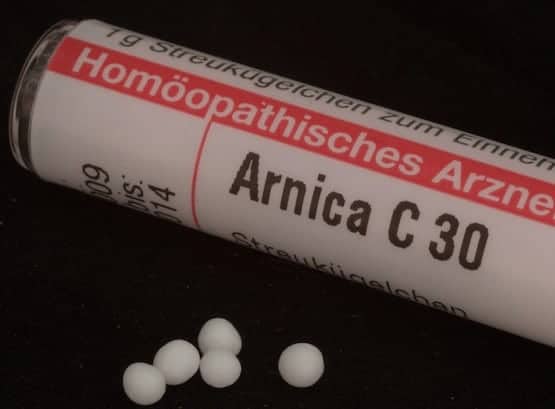
  • Get the Arnica pellets from your emergency first aid kit. If you don’t have Arnica on hand, ask a friend or buy them in your local health food store. Arnica is extraordinarily useful anytime your pet experiences a “bruised” sensation.
  • Give one pellet of any potency (the highest potency available) that you have. Even better would be to a add a pellet to a bottle of any water. Whatever is available. Give about 1 tsp.
  • Now assess the situation using Holistic Medical Decision Making. This quick and easy process will help you decide what to do. For example, you should go to the veterinary clinic right away if the injury was severe. However, if it wasn’t, and if there isn’t an obvious fracture, you may choose to wait and repeat the Arnica. Especially if your pet is already feeling better after the first dose.
  • If you are using the liquid, succuss 10x and give another dose in 10 minutes if your pet isn’t already improving. To succuss, “whack” the bottom of the bottle vigorously usually against the palm of your hand. Succussions subtly increase the strength and effectiveness of the next dose.
  • Re-assess after each dose, and repeat if improvement is not continuing. Dose every ten minutes for an hour, then less frequently.
  • Don’t wait for improvement if there was a major trauma like an encounter with a car. Start dosing on the way to the ER in order to get the best outcomes from any needed veterinary treatmen

We hope that you’ll never have to use this emergency procedure. If you do, please share your experiences.

Be well.

Dr Jeff