

WELCOME TO THE NUTRITION
RESOURCES SECTION
Want to Optimize Your Pet’s Nutrition to Help Them Live Their Healthiest, Happiest, Longest Life? You’ve come to the right place!
Of all the factors that affect your and your pet’s health — diet and nutrition, activity and exercise, social connections and emotional health, breed and genetics, history of vaccinations, exposure to antibiotics and toxins, chronic use of medications and more — diet and nutrition ranks highest.
Both you and your pet literally “are what you eat.” What you take into your body determines how your body “makes itself.” Food provides a set of molecular “instructions” for each of your bodily systems (that work together as a whole), and cellular vitality, inner balance, and strong immunity from dis-ease rely heavily on the quality of your diet.

1. Are you feeding your pet “fast food”?
Unfortunately, both humans and companion animals tend to consume diets that lack both nutrient density and nutrient quality. Simply put, for most of us, there is often little food (nourishment) in our pets diets. Those of us who are more health-conscious know that the more “fast food” makes up our diet, the less healthy we’re going to be. For this reason, though many of us actively avoid fast food for ourselves, we continue feeding it to our pets without even realizing it.
That’s right, most pet guardians are feeding their dogs or cats the equivalent of fast food. The pet equivalent of fast food is commercially prepared canned food and dry food (kibble). There is often very little nutritive food in this “food,” and pets — just like people — suffer ill effects from this form of feeding that goes far beyond weight gain. “Fast food feeding” of pets has massive impacts on cellular vitality, inner balance, and immunity. Your pets can become more susceptible to dis-ease unless they eat vital, living and unprocessed food.
On the other hand, learning how to replace your pet’s fast-food diet with fresh-feeding can have incredibly powerful health impacts. When your pet’s diet is optimized, current health challenges can resolve or be greatly reduced. They’ll also develop the improved resiliency that comes with a vital, balanced system. That means they’ll be happier, healthier, and much more likely to be with you for as long as possible.
Let’s dive deeper into the “nutrition equation” and how you can optimize your pet’s diet.
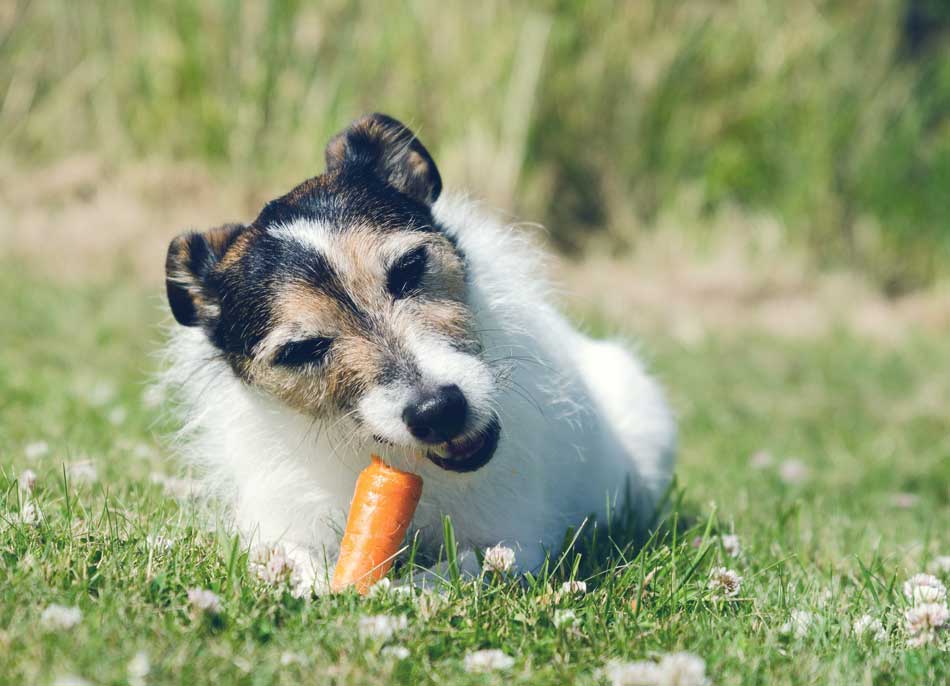
2. What improvements can I expect from the adoption of fresh, vital feeding?
First of all, it’s important to understand that food falls on a spectrum of cellular vitality, from highest to lowest. Topping the list is raw food, followed by cooked food, freeze-dried food, commercially canned food, and kibble. (To learn about the Food Vitality Scale and to find recipes you can use to add variety to your pet’s diet, check out this page!) The improvement you’ll see in your pet’s health from fresh-feeding is overwhelming. You can see improvement even if you only replace one processed-food meal per week with a fresh-food one. The more you eliminate processed foods, the more positive health changes you can expect. Among them:
- Shinier, smoother, thicker, odorless hair with less shedding
- Cleaner, healthier ears
- Disappearance or reduction of eye discharge and tear stains
- Breath improves and less plaque forms
- Hairball vomiting slows and stops
- Sociability with people and other animals improves
- Stiffness and limping resolve
- Activity level and running speed increases
- Performance and interest in training improve
- Weight normalizes and preoccupation with food ends
- Current illnesses or health challenges resolve or greatly improve
- Stool volume (and odor) decreases, as more of the food is used by the body, less is eliminated
- More enthusiasm at meal times!
Each animal is different and will react differently to a change in their diet, but overall fresh food is beneficial to all animals.
3. Wow, all of that sounds great! How do I get started with fresh-food feeding?
There are a few things you need to know when make the switch from processed to to fresh-food feeding: Freshness, variety, and moderation.
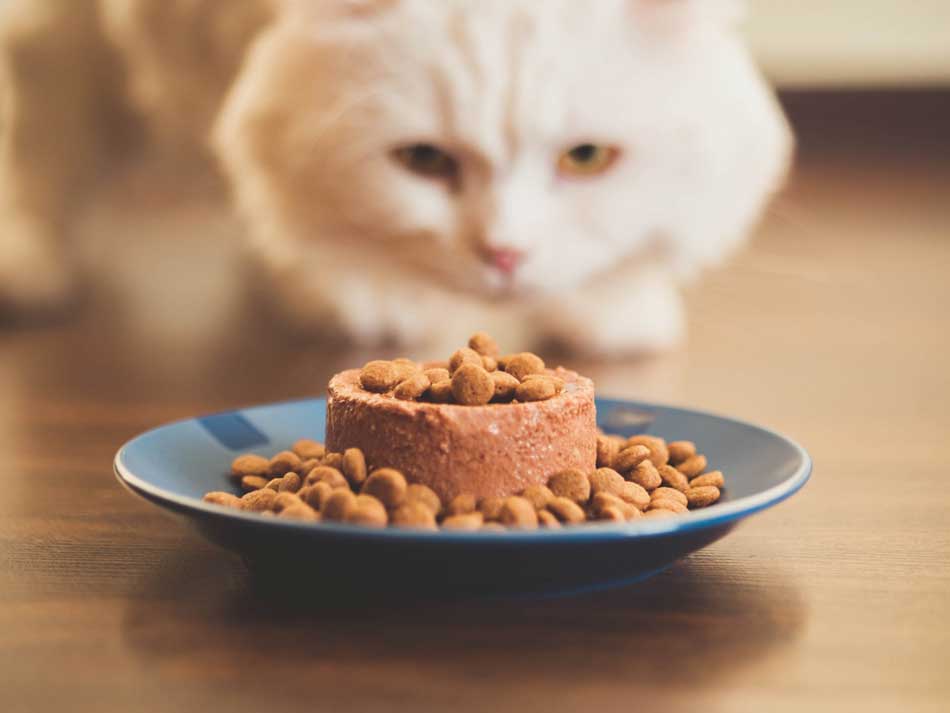
Freshness (Vitality)
Fresh food is alive (cellularly vital) food, whereas processed foods, especially protein-based ones, are not. One of the wonderful things about fresh-food feeding is there’s no longer any question about what you’re putting in your pet’s body. With almost all commercially prepared pet foods, if you read the label, there’s a good chance you won’t even recognize some of the ingredients.
You can start by surveying your own refrigerator for raw meats, since this is the most species appropriate food for your dog or cat. Healthy vegetables can also be an important part of the diet. Dogs and cats like vegetables, though just like people, they tend to prefer some over others, and obese pets may refuse veg.
Ideally, the meat you feed your pets should be hormone free and the vegetables you feed your pets should be pesticide free (organic). Even if you live in a place where these are hard to obtain, what you buy for yourself is going to be far superior to anything you’ll find in a can or a bag.
Variety
Variety is also an important aspect of feeding nutrient-dense food. When you mix up your pet’s diet (just like your own) to include a wide variety of vital foods, there’s no need to worry about their diet being imbalanced. Conventional nutritionists stress the importance of variety as feeding your pet the same processed food day after day can lead to imbalances, especially on the micronutrient or toxin level. Switching from a processed food to a thoughtful variety of fresh food will improve balance.
Moderation
Lastly, moderation is an essential part of feeding your pet fresh food effectively. Although it can be self-explanatory, it is still important to address. As the saying goes, “too much of anything is bad for you”. Therefore, moderation is crucial to avoid overeating / overindulgence.
4. What is the difference between the vital foods I should feed my dog vs my cat?
With their protein-based meals, dogs can make good nutritional use of veggies, fruit, and small amounts of fully cooked grains to add with their protein meals. Ideally, dogs should take in about 80-90% of the diet as a fresh meat-based protein, with the remainder pureed fruits and vegetables. An easy example of going about this is to feed your dog half of a raw chicken with the skin, bones, and even organs still present, and serve it with a small amount of pureed vegetables. If you want to cook the chicken, feed only white meat during the transition to fresh food feeding. Never feed cooked bones of any kind.
Dry food is abnormal for dogs, but it is even worse for cats. Cats originated from the desert regions of the world, and their kidneys adapted to conserve water, making them less dependent on drinking than dogs. The water provided in raw, cooked, or even canned food is usually sufficient for balanced cats. Truly healthy cats on a fresh food diet who drink may be giving you an early warning sign clue to an internal imbalance.

Healthy cats that are being fed an unprocessed, truly vital diet rarely drink liquids. When cats are fed dry food, or their system has become compromised by nutritional deficiencies, only then must they drink water to allow their body to function properly. However, because cats are not adapted to drink water in this way, it represents a stress on their system and over time, they may develop cystitis and kidney diseases. To prevent this, feed your cat raw or cooked meat and fish with an additional 5-10% pureed vegetables or baby food to ensure they’re getting adequate nutrition. To make a great meal for your cat, throw some raw liver, veggies, and eggshells in a blender and puree them.
Calcium / phosphorus balance is the biggest cause of unbalanced home prepared diets. Vet nutritionists see nutritional imbalances because people don’t pay enough attention to it, and feed too much meat and not enough bone. If your pet is not eating a diet containing bone, add 1,000 mg of calcium carbonate or calcium citrate (finely ground eggshells can also be used) should be added to each pound of boneless meat. Puppies and kittens require special attention to prevent developmental diseases from diet imbalance, so consult with your holistic vet about appropriate diets for them.
Calcium is an important nutrient that can be given through supplements but is also well absorbed through foods containing raw bone. Supplement your pet’s calcium needs with the edible bones or ground bones of the meat you feed them. If your pet’s meals don’t include bones, then it’s important to ensure adequate calcium levels with finely ground eggshell or seaweed calcium, both of which are excellent substitutes for bone-based calcium.
5. How can I boost my pet’s nutrition with supplements?
When your pet is already being fed a variety of vital organic food and their system is in balance, supplements are often unnecessary since their nutrient needs are adequately met by their diet. Supplements are needed when your pet’s inner balance is compromised from processed feeding and/or other health challenges. In other words, even though supplements can play an important part in expediting your pet’s return to health, it’s important to wean them off once they regain their inner balance. If you find that your pet is dependent on supplements to prevent the emergence or recurrence of symptoms, this is an indication that their system is still not balanced and needs to be addressed with holistic actions.
If your pet is in need of additional nutrients, supplements are important. It is important to only use reputable supplements such as those from Rx Vitamins like their Canine and Feline Essentials, Rx Biotic, Nutrigest, and Rx Zyme. Your cat may also need a taurine supplement such as present in many cat raw diet supplements like Alnutrin and Rx Essentials. These are great additions to support your pet’s digestive system. Carefully research different brands; even if the ingredients seem exactly the same because the effects can differ.
Additional supplements for cats include taurine, raw bones, animal source proteins, amino acids, fatty acids, and vitamins. In other words, feed your cat meat because vegetables don’t offer sufficient nutrient-density to maximize their health.
To learn even more about how to optimize your pet’s nutrition and get easy and yummy recipes designed to add variety to the diet, check out the Holistic Pet Health 101 Course page!
HANDOUTS
Uplevel Your Pet's Nutrition
A comprehensive guide to demistyfing pet feeding and clarifying the action steps you can take on your pet feeding journey. Click on the picture for illustrated ebook version, or click here for printable version.
How To Feed Your Pet
Scientific foundation for Mine Pet Platter that focuses on importance of HOW we feed, not only WHAT we feed.
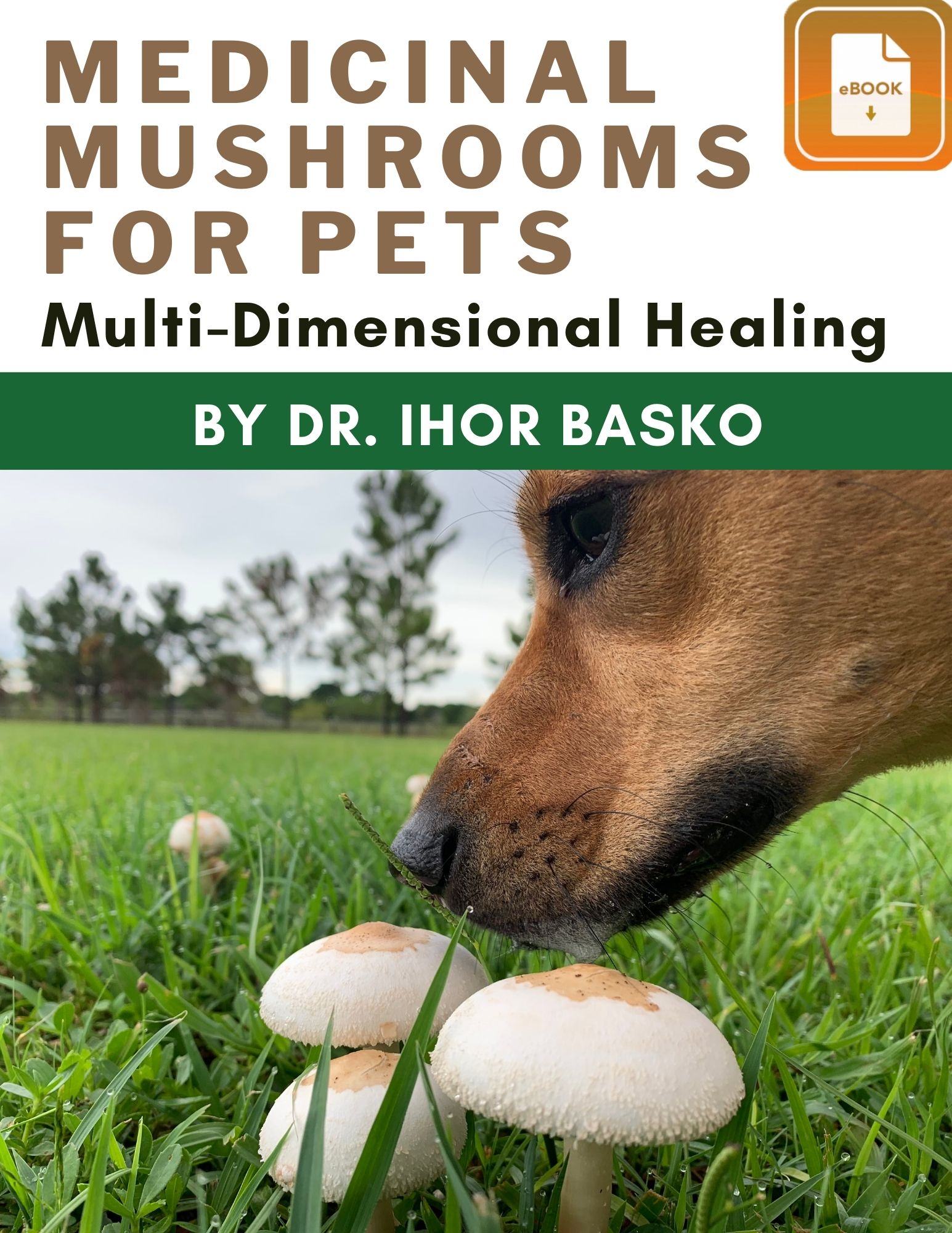
Medicinal Mushroom Ebook
A comprehensive handout from Dr. Ihor Basko about using medicinal mushrooms for your pets’ health.
Hospice Diet Handout
This is the protocol the BrightHaven, partner animal hospice, uses for their elderly animals.
videos
Pre-recorded Nutrition Webinars (1 hour)
- Kay Stewart | Fresh Feeding Basic for Dogs
- Zach and Jen | Balance, Safety and Sourcing When Raw Feeding Dogs & Cats
- Jan Allegretti | Fresh and Flexible Feeding for Pets
- Dr.Jean Hofve | Best way to feed cats and dogs
- Anitra Frizer | Everything cat
- Christina Chambreau and Carol Smeja | Mindful Eating
- Dr. Ihor Basko | Feeding fresh food to your pets
- Dr. Sue Howell | Using food and supplements as medicine
- Billy Hoekman | Raw and fermented foods 2020
- Billy Hoekman | Fermented foods & vitality 2022
- Dr. Jean Dodds | Your pets’ Vitality, Balance and nutrigenomics
- Dr. Doug Knueven | Omega-3 fatty acids
13. Dr. Sue Howell | Pet Feeding Q&A
14. Holistic Actions! | Toxic foods, garlic
15. Dr. Sue Howell | Foods & supplements for endocrine system
16. Dr. Evelyn Kass | Foods and herbs for immune boosting
17. Dr. Sue Howell | Detoxing
18. Dr. Jean Hofve | Grain Free Diets
19. Dr. Doug Knueven | Probiotics
20. Dr. Beal | Food Safety & Glyphosate
21. Dr. Jean Dodds | Carcinogens & Taurine
22. Dr. Katie Kangas | Glyphosate effects
23. Dr. Katie Kangas | Obesity
24. Dr. Ihor Basko | Mushrooms
25. Amy Todisco | Regenerative farming & organic foods
Nutrition Q&A Short Videos
transitioning to raw food
Choosing Pet Food & Labels
Feeding Raw Bones
if you can’t find raw food
about chicken hearts
cat always hungry
BLOG

Ask A Vet – Live Q&A 03/27/26
This Q&A session focused on reframing pet health symptoms using the Holistic Actions Pet Wellness Framework — emphasizing energetic rebalancing, homeopathic care, and quality of life over symptom suppression. Attendees brought...
Ask A Vet – Live Q&A 02/26/26
This monthly Q&A webinar, hosted by Holistic Actions, focused on answering community members' pet health questions through the lens of holistic and integrative veterinary medicine. Presenters Dr. Christina Chambreau (a former...
Ask A Vet – Live Q&A 01/30/26
What do bloody stool, chronic ear infections, and excessive itching have in common? They're all symptoms that send pet parents into a panic—and they're all clues your pet's body is trying to tell you something. In our January 2025...

Weekly Inspiration | What’s Your Pet Trying to Tell You About Their Dinner?
Hello to you, fellow caring pet parent, Have you heard the phrase “Eat the rainbow”? It’s not just a colorful cliché — if we choose, it could be a good guiding principle for vibrant health. And it applies to our pets, too. This week,...
The Healing Power of Medicinal Mushrooms For Your Pets
Medicinal Mushrooms - Can Our Pets Eat Them? Did you know that medicinal mushrooms (we are not talking about the ones that grow on the side of the walking trail) have been used for many years to support humans and animals. Some of...
ARTICLES
Nutrition Musculoskeletal-nutritional Bone Diseases [Article]
Nutrition-homemade Diet [Article]
Nutrition-kidney Disease [Article]
Nutrition-obesity In Cats [Article]
Answers Health Guide
Impact of caloric restriction on health and survival in rhesus monkeys
Cannabidiol Regulation of Learned Fear
The endocannabinoid system of the skin in health and disease
Cannabinomimetic Control of Mast Cell Mediator Release
Cannabis: What Veterinarians Need to Know
CBD Oil and Veterinarians
CBD Oil and Maryland Veterinarians
Celery Juice
Effects of chlorella growth factor on physiological function
How Much Chocolate is too Much for a Dog, and How to Tell
The paradox of canine conspecific coprophagy
Curcumin designs for health Techsheet
Critically appraised topic on adverse food reactions of companion animals
Effects of Beetroot Juice Supplementation on Cardiorespiratory Endurance in Athletes
Addressing behavioral needs to improve feline health and wellbeing
Low FODMAP Diet
FODMAP Diet
Hematologic changes associated with the appearance of eccentrocytesGlucosamine Benefits the Body in
Major Ways — Do You Have Enough?
Efficacy and safety of glucosamine sulfate in the management of osteoarthritis
Kefir Benefits, Types, Nutrition Facts and How to Make – Dr. Axe
Integrative Treatments For Inherited Diases in Dogs
KetoPet Sanctuary: ketosis, cancer and canines, part 1
Intro to Nutritional KetosisAn Extract of Glycyrrhiza glabra (GutGard) Alleviates Symptoms of Functiona
Dyspepsia
10 Proven Manuka Honey Bene1ts & Uses
A Tea Party for the Microbiome
Mushroom and Hemangiosarcoma Study
Mushroom Coriolus Penn Study
Mushroom Ganoderma lucidum Prevents Colitis-Associated
Mushroom Ganoderma lucidum Prevents Colitis-Associated Carcinogenesis in Mice
Understanding the power of medicinal mushrooms in your practice
Keep his immune system healthy
Nutrigenomics for animals
Skip the Pharmacy and Use Superfoods As Your Medicine
Nutrigenomics: Definitions and Advances of This New Science
Omega fatty acids for dogs and cats
17 Science-Based Benefits of Omega-3 Fatty Acids
Peat as a feed supplement for animals
Personalized nutrition and obesity
Phytonutrients and Nutraceuticals in Vegetables
Placebo TIME Magazine
Probiotic for Mouth
Probiotic from Infant Feces Modulates Human & Microbiome
New study demonstrates the effects of bacteriophage supplementation on the gut microbiome
Probiotics, the missing nutrients — part 2
Protomorphogens Standard Process
Vegan Chia Peanut Butter Training Treats [RECIPE]
Recipes
The potential health benefits of seaweed and seaweed extract
Nattokinase improves blood flow by inhibiting platelet aggregation and thrombus formation
Scientific Basis for the Therapeutic Use of Withania somnifera (Ashwagandha)
Adaptogens and nutritive tonic herbs for patient well-being
Protomorphogen Handout
A preliminary review of studies on adaptogens
Nattokinase
Taurine Rich Goat Milk
Terrain
Safe and Unsafe Nuts for Dogs
Acute Renal Failure in Dogs After the Ingestion of Grapes or Raisins
Antibacterial Effect of Aloe Vera Gel against Oral Pathogens
Efficacy of fresh Aloe vera gel against multi drug resistant bacteria
Changes in USDA Food Composition Data for 43 Garden Crops
Owners’ perception of acquiring infections through raw pet food
FORUM
Click here for forum threads on nutrition related topics.
Kay Stewart | Fresh Feeding Basic for Dogs Webinar
Zach and Jen | Balance, Safety and Sourcing When Raw Feeding Dogs & Cats
Jan Allegretti | Fresh and Flexible Feeding for Pets
DR. IHOR BASKO | FEEDING FRESH FOOD TO YOUR PETS
DR. SUE HOWELL | USING FOOD AND SUPPLEMENTS AS MEDICINE
BILLY HOEKMAN | RAW AND FERMENTED FOODS
DR. JEAN DODDS | YOUR PETS’ VITALITY, BALANCE AND NUTRIGENOMICS
DR. DOUG KNUEVEN | OMEGA-3 FATTY ACIDS
DR. SUE HOWELL | PET FEEDING Q&A
HOLISTIC ACTIONS! | TOXIC FOODS, GARLIC
DR. SUE HOWELL | FOODS & SUPPLEMENTS FOR ENDOCRINE SYSTEM
DR. EVELYN KASS | FOODS AND HERBS FOR IMMUNE BOOSTING
DR. SUE HOWELL | DETOXING
DR. JEAN HOFVE | GRAIN FREE DIETS
DR. DOUG KNUEVEN | PROBIOTICS
DR. BEAL | FOOD SAFETY & GLYPHOSATE
DR. JEAN DODDS | CARCINOGENS & TAURINE
DR. KATIE KANGAS | GLYPHOSATE EFFECTS
DR. KATIE KANGAS | OBESITY
DR. IHOR BASKO | MUSHROOMS
Dr. Jean Hofve | Best way to feed cats and dogs
Anitra Frizer | Everything cat
Christina Chambreau and Carol Smeja | Mindful Eating
- 00:00 Introduction
- 01:25 Demystifying eating
- 10:00 Preparing food – making it work for your family
- 17:30 Putting intention into food
- 18:30 What to feed – books
- 21:30 Feeding FAQs | what not to feed | transitioning
- 29:30 How to feed by Carol Smeja
- 44:30 Q&A