No Results Found
The page you requested could not be found. Try refining your search, or use the navigation above to locate the post.


This resource area has lots of information about the homeopathic medical system in seminar format. Homeopathy is a powerful, gentle, and effective way to work with your pet. However, it is not yet part of the practice of veterinarians in the US as it is in other countries but you can still learn how to use it along with your vet.
Personally I (Dr. Jeff) have found the practice of integrating homeopathy into modern veterinary science incredibly exciting and effective. This resource is a brief introduction to this wonderful system and my understanding of how it can be used within the current veterinary medical system.
Here are the important words we will need:
Homeo = Similar (like or with)
Anti = Opposing (opposite or against)
Homeo-pathy is a way to work with your pet’s body using symptoms as clues of internal imbalance.
Homeopathy (also known as homeopathic medicine), is a medical system that was developed more than 200 years ago by the genius scientist-physician Christian Friedrich Samuel Hahnemann. It is a holistic way to interpret changes in external and internal symptoms (which are called “signs” by veterinarians).
“Every symptom change reflects a physiologic change.”
Closely evaluating symptoms allows you and the vet homeopath to select homeopathic medicines which can help re-balance your pet’s vital systems.
Homeopathy is based on one primary principle (which homeopaths consider to be a natural:
“Like cures like”—the principle that a substance which can cause symptoms can treat similar symptoms. Homeopathic medicines can activate the natural healing processes of the body.
That sums it up! Using the “Law” of Similars and working with pets bodies to resolve abnormal symptoms.
Homeopathic medicines are derived from plants, minerals, and animals. These include substances such as onion, poison ivy, nightshade, salt, arsenic, milk, bees, and many, many more. Homeopathic medicines can be used to coat sugar pellets to be placed under the tongue; they may also be in other forms, such as ointments, gels, drops, creams, tablets, and tinctures. The choice of the homeopathic medicine is individualized or tailored to each patient—it’s common for different pets who appear to have the same condition to receive different medicines.
The unique pharmacological process for making homeopathic medicines, called potentization, is where much of the controversy about homeopathy starts. Each medicine is, diluted in a 1:10 or 1:100 solution in double-distilled water in a glass test-tube that is vigorously shaken 40 or more times. This process of dilution and succussion (vigorous shaking) is repeated 3, 6, 12, 30, 200, 1,000, or more times. Based on our current understanding, it would seem that the solution (medicine) would be too dilute to have a therapeutic effect. However, both experience and science of nanotechnology show that these highly dilute substances medicines contain active particles and can have physiologic effects. This supports more than 200 years of successful treatment with homeopathic medicines. In addition, there are significant research studies showing the effect of homeopathic medicines in both people and animals.
The process of homeopathy is NOT just giving the sugar pills. It involves a detailed initial evaluation, which commonly takes 1-2 hours, that starts with a full history of symptoms throughout your pet’s life including diagnostic test results. The goal is to characterize every aspect of their dis-ease (internal imbalance). Vet homeopaths determine their patient’s specific susceptibilities (sensitivities) to dis-ease producing agents and then use homeopathic medicines that work with nature and the body.
Homeopaths believe that homeopathy uses cellular communication pathways to activate natural healing in all animals. It is hypothesized to do this by providing vital cellular information that normalizes cell function and decreases abnormal symptoms and dis-eases.
The concepts of individuality and susceptibility in homeopathy are keys to understanding how any pet (or person) will respond to a stressor and possibly (depending on susceptibility) develop dis-ease (imbalance).
Recent research is unlocking many “secrets” of the body. These include the molecular processes defining the individuality and susceptibility which are the foundations of choosing a homeopathic medicine.
These are concepts that transcend your pets genes and genome and are defined in molecular biology by the concept of the “exposome”. This relatively new ‘omic science has brought homeopathy closer to mainstream medicine. It describes the biochemical reactions that occur in people (and pets) in response to the environment throughout life (and even before birth).
As Hahnemann did with homeopathy, the Human Exposome Project is currently defining a new paradigm by which to understand medicine. This is extraordinarily exciting and starts to give us a bridge between homeopathy and mainstream medicine.
However, individuality and the exposome is just one of the puzzle pieces that explains how homeopathic care can stimulate the natural healing processes.
The other critical piece is the energy needed by all cells to work optimally in order for our pets to remain in balance and to not get dis-eased. This energy is well described by laws of physics which say that systems work better when they conserve energy. This is important for our companion animals because homeopathic medicines help them do this. Individualized remedies seem to “tune-up” your pet’s bodies to help them conserve energy and avoid the health challenges that occur when the fuel for the body runs low.
Think of it like a car that gets great mileage vs. one that is a gas guzzler. Fuel-efficient cars conserve energy (gas) whereas it gets used up faster by the gas guzzler. The same principle applies to the complex systems of the body which work most effectively when they are tuned-up to conserve the cellular energy needed by the cells to work properly and heal..
The principles of individuality, susceptibility, energy and internal balance are well described in the basic science literature. For example, the May 2020 article in a highly regarded journal of molecular biology says that “host response” to the SARS-CoV-2 virus and not the germ itself is what creates the symptoms of covid. In other words, susceptibility as when the immune system doesnt have energy to work properly, is more important for balance than exposure to a stressor (in this case a virus).
However, these important scientific concepts are not commonly connected to the ways that pet parents and vets can help pets. But you can do this by using these concepts yourself and sharing them with your vets. For example, when it comes to dis-eases like kennel cough or feline leukemia, they help explain how you can reduce your pet’s risk of dis-eases. You can easily use these principles along with homeopathy to help optimize their host responses.
At Holistic Actions!, we teach HMDM (which stands for Holistic Medical Decision-Making) using homeopathy integrated into conventional medicine. They help you decide on and reach the goal of complete cure when possible. Some conditions can’t be completely cured, so we may aim for more attainable goals. The full range of outcomes include…
Let’s talk a little more about what you can expect from each.
CURE refers to the restoration or improvement of balance and vitality in your pet’s system, and thus to the resolution of both the underlying disease and its associated symptoms. When your pet has been cured by homeopathic treatment you will notice improvements in their BEAM (which stands for Behavior, Energy, Appetite and Mood).
Progress toward a cure refers to continued improvement of BEAM and specific symptoms, but incomplete resolution of the health challenge. Your pet is better and is responding to treatment but changes in primary symptoms may not yet be detectable.
PALLIATION refers to approaches that bring rapid relief but require ongoing management to prevent the recurrence of symptoms. The symptoms are being covered up. There’s no deep healing in palliation, it just provides temporary relief, in much the same way that an oatmeal bath can help to soothe your pet’s itchy skin. By definition, palliation means that symptoms return once you cease to manage them. This is your pet’s system’s way of telling you that the underlying issue has not been addressed.
SUPPRESSION also involves quick and often total relief. Eventually, your pet may respond with more serious symptoms that once again signal that the underlying issue (imbalance) has not been addressed and cured. There are times when suppression may make sense in the short term. However, this will always come at a cost, since this approach tends to worsen the underlying imbalance. When you silence the “smoke alarm” of symptoms without putting out the “fire” of the underlying imbalance, the fire just gets bigger and does more damage.
Homeopathic medicines are just one prong in a much broader holistic approach to health. At Holistic Actions!, we give you the resources to optimize every aspect of your pet’s life and health. This includes optimizing diet, nutrition, supplementation, socialization supports, exercise and enrichment activities. We also aim to neutralize or reduce the impact of genetic predispositions, vaccinations, history of abuse or neglect, and other adverse exposures. This empowering big picture approach enables you to restore your pet’s inner balance, boost their vitality, make them more immune to disease, and help them live the healthy happy life they deserve!
Watch this comprehensive 2 day seminar and learn the basic principals of homeopathy and how you can use it at home.
Same basic content as previous 2018 seminar – worth watching again – with new information and new cases.
A follow up intermediate seminar – a deeper dive into homeopathy.
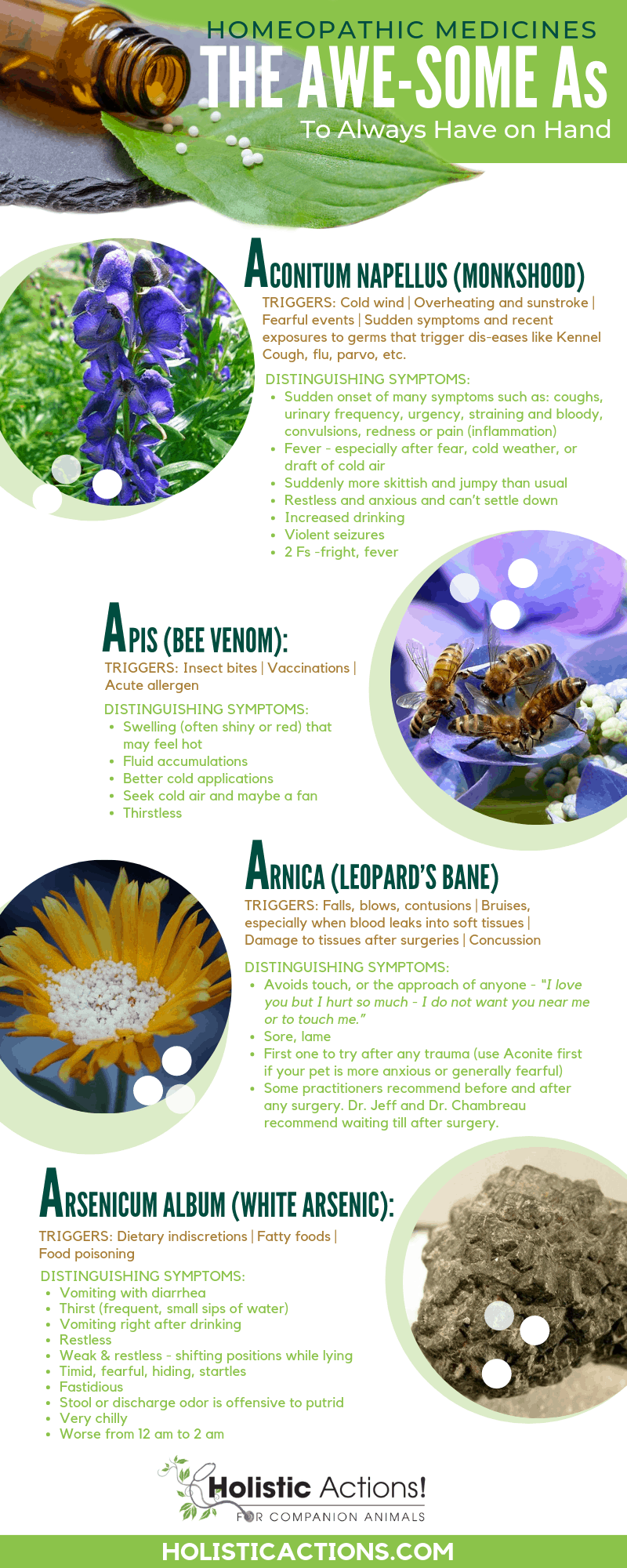
The 4 remedies that everyone should have and use. Click the image to download the pdf version. And click the button below for a more comprehensive handout.
The page you requested could not be found. Try refining your search, or use the navigation above to locate the post.
All the Pet Health webinars! below cover aspects of homeopathy.
Read the descriptions and topic lists next to the videos to find your topics of interest.
SUMMARY: Tonight was the August homeopathy webinar. This month's discussion centered on Materia Medica. These are the books where you can learn about any...
SUMMARY: Tonight was July's homeopathy-specific webinar about "case analysis". This is the part of choosing a homeopathic medicine that comes after finding all of...
SUMMARY: Tonight was the 6th of the monthly homeopathically focused Empower Hour! webinars. The topic was translating animal symptoms into the dictionary of...
Your nine year young pup or kitty seems fine. But she’s not. The veterinarian just called with the blood test results from her wellness check up: thyroid, liver and kidney markers were abnormal. On top of that, the vet said she has...
Flower Essences (FE) can help your pets with both physical and emotional health challenges. They are great for lame, stiff and arthritic pets. Unlike supplements that act like natural drugs, FE are 100% safe. They are made by putting...
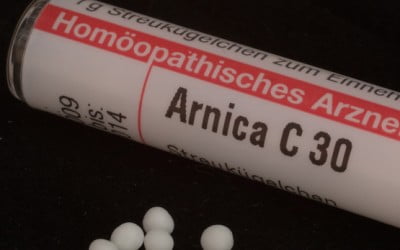
What to do after injury? A frequent question I get from community members is what to do right after an injury. Whether the injury was from a bad turn during agility to being t-boned by another dog during play. Here's how you can help...

Bladder problems are more common in younger animals, whereas pets over the age of ten are more apt to develop the imbalance of kidney dis-ease. If you suspect your pet may be suffering from urinary issues or more serious kidney dis-ease, our team at Holistic Actions! is here to help you make sense of symptoms you may be seeing and to take effective action using natural remedies. (Remember, symptoms are your friend — they are simply a trustable sign that something is out of balance in your pet’s system, and it’s our job to help you create or restore this balance.)
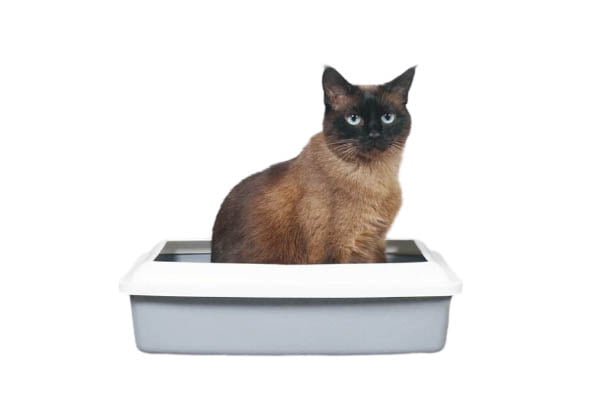

What symptoms should I look for if I think my dog or cat might have a urinary issue or is suffering from kidney dis-ease?
The kidneys filter and excrete toxins from your pet’s body through their urine. The kidneys have a very large reserve capacity, so by the time symptoms appear, the kidney may be quite compromised. For this reason, it’s important to act quickly when you see BEAM symptoms (Behavior, Energy, Appetite, and Mood) that may indicate early urinary issues or kidney dis-ease. Symptoms may include:
Because these symptoms may be signs of other conditions, the next step is to have your vet conduct a blood test and urinalysis to accurately diagnose the problem.
In the same way that children who feel chronically unsafe or otherwise traumatically stressed often begin wetting the bed (or continue to do so many years after potty training would normally occur), dogs or cats who feel anxious or neglected may also exhibit wetting behaviors.
Urinary and kidney symptoms tell you that your pet has a physiologic imbalance. According to medical systems based in vitality, energy and chi, like homeopathy or Chinese Medicine, every symptom is “caused” by the same energetic imbalance. This unified theory of dis-ease makes diagnosis and management more scientific and effective (in our opinion).
Your pet’s bladder and kidneys are no exception to the same imbalance connecting every symptom. For example, urinary symptoms that look like a UTI are a common reaction to emotional stress in kitties. Pet parents may see symptoms like urgent or painful urination, peeing outside the box and even blood in the urine. Any of these may be a reaction to an emotional stress like being picked on by another cat or overcrowding.
Most acute bladder and cystitis health challenges can be rapidly reduced and stopped by working with the body. “Antis” are often not needed and may be contraindicated. For example, an anti-biotic for a UTI kills beneficial intestinal bacteria and may predispose pets to future infections.
Many kidney dis-eases, on the other hand, are chronic and more serious conditions. They are also accompanied by symptomatic behaviors, like drinking a lot, but also tend to have BEAM alterations. Especially common are decreases in energy and appetite. These can often be helped by promoting playing, purring and otherwise engaging in the environment to help activate natural healing mechanisms which may improve treatment outcome of kidney dis-ease.
There are many risk factors for both acute cystitis and chronic kidney dis-eases that pet parents have control over. Just modifying things like the amount of water in the diet can make a big difference, and you’ll learn about many more in the other resources. The fresh and varied diet is most natural and may be the only change you need to make in order to control your pet’s symptoms.
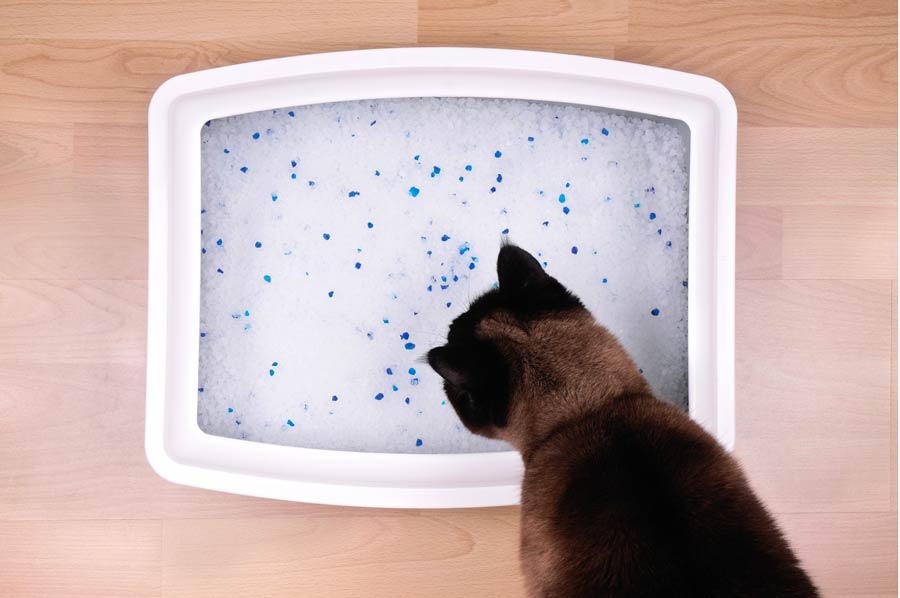
Things that may be clearly linked to UTI symptoms are stressors like a sudden environmental change, drug, vaccine. Everything to which our pets are exposed throughout their lives is reflected by their symptoms and dis-eases. On a molecular level this is called their “exposome”. This cool concept is essentially a description of the molecular processes that result from any exposure to every environmental influence/potential stressor. This “molecular individuality” can be compared to the genetic and bacterial individuality of the genome and microbiome. Susceptibility is a term used by scientists that study the exposome. It refers to how the individual reacts to germs, toxins, vaccines, etc. Individuality and susceptibility also determine the degree to which your pets are affected by things like eating dry food and insufficient exercise. These are lifestyle choices that can stand in the way of deep healing and internal balance. In homeopathy, poor food and inactivity are called “obstacles to the cure” of the mistuned vital force.
Restoring balance and vitality through feeding fresh-foods, targeted supplement regimes, lifestyle changes, energetic interventions and more can help you address symptoms while also restoring or improving balance and vitality. Holistic approaches that employ highly customized protocols can help to clear up UTIs without further compromising your pet’s immune system.
Protein restriction is commonly recommended for pets with advanced kidney dis-ease. In fact, this has been the standard of care for both pets and people, but it is actually the phosphorus present in protein which is toxic to the kidney. Poor quality protein + high phosphorus is worse than high phosphorus alone. When your pets are stressed, their kidneys become dis-eased and unable to handle toxins that a healthy kidney could effectively eliminate.
As mentioned earlier, fresh food feeding, combined with targeted supplement regimes can serve as a significant support to your dog or cat’s urinary issues or kidney dis-ease.
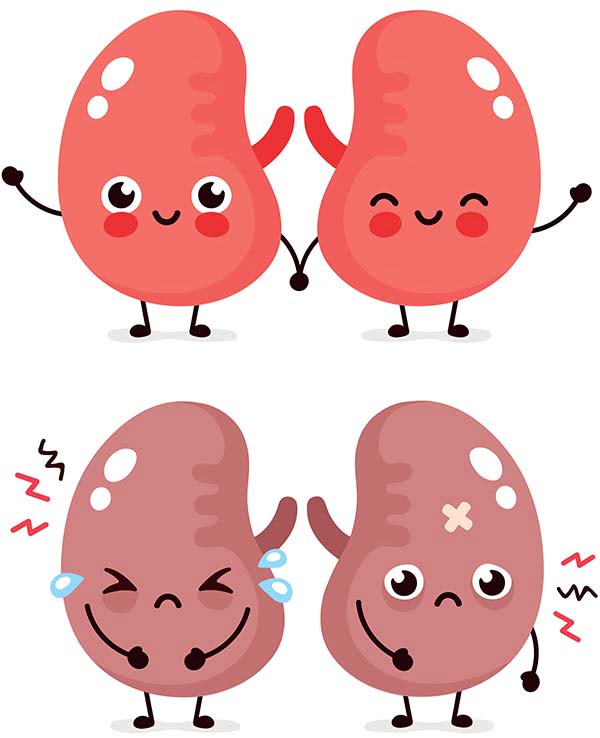
B-vitamins can help replace water-soluble vitamins lost through excessive urination. Antioxidants, such as vitamins C and E, can also be very helpful. Other potentially helpful supplements include the amino acid blend in AminaVast, Rx Renal from Rx Vitamins, the appetite stimulating blend in Amino B-Plex liquid (also Rx Vitamins), potassium based on blood test results, probiotics that restore bacterial balance and RenaFood from Standard Process. While this supplement is intended for humans, it also can work wonders for dogs and cats and help optimize kidney function.
It can’t be emphasized enough that symptoms of any sort are clear communications about your pet’s deeper health problems, which is why it’s so critical to address the underlying imbalance rather than simply treating the symptom. Your dog or cat deserves more than the temporary relief that comes with symptom alleviation. We’re here to help you go beyond the symptom and restore or improve inner balance, increase vitality, and help your dog or cat live the healthy, happy life they deserve.
As a part of Vitality and Homeopathy course, it takes you through Holistic Medical Decision Making Process in cystitis related cases and helps you decide which homeopathic remedies to use.

This is a handbook that comes with the webinar. It covers cystitis symptoms, urinalysis, and homeopathic medicines for urinary conditions.
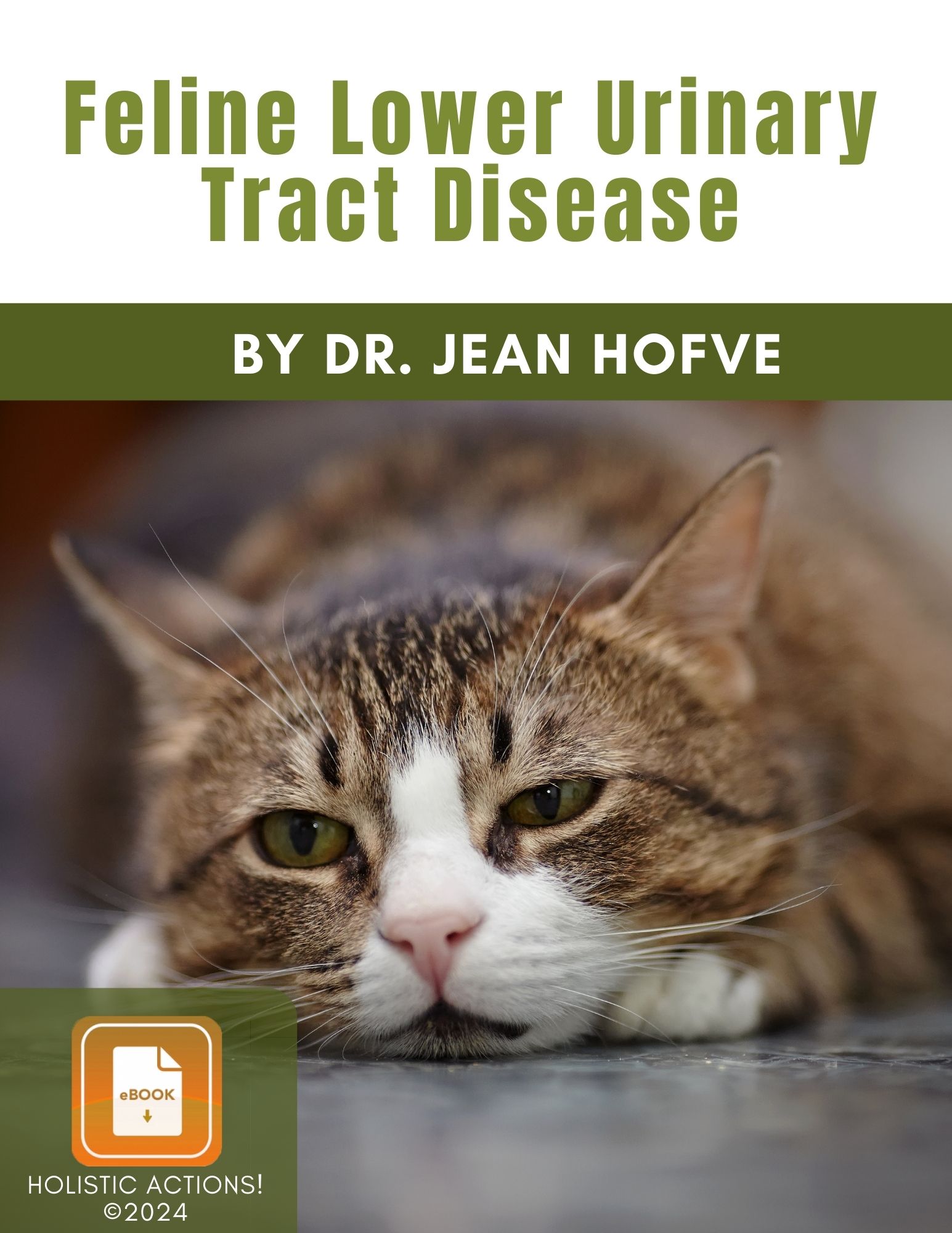
A SHORT EBOOK BY DR. JEAN HOFVE
Signs, causes, types, conventional treatment, holistic prevention and management of lower urinary tract disease in cats.
The page you requested could not be found. Try refining your search, or use the navigation above to locate the post.
Reversing Kidney Failure with herbs presentation by Dr. Marsden
Kidney and Bladder Stones/diet
Idiopathic Cystitis in Domestic Cats
Renal Amyloidosis
SFM Consensus Guidelines on the Diagnosis and Management
ISFM Consensus Guidelines on the Diagnosis and Management
Anemia Of Chronic Kidney Disease
Kidney and adrenal of dog organs [pic]
Kidney- Acute Kidney Failure [Article]
Kidney- Chronic Kidney Disease In Cats [Article]
Kidney- Falcon Syndrome In Dogs [Article]
Kidney- Kidney Dysplasia In Dogs [Article]
Kidney-perinephric Pseudocysts In Cats [Article]
Kidney- Polycystic Disease In Cats [Article]
Kidney- Protein Losing Nephropathy In Dogs [Article]
Kidney- Pyelonephritis(Kidney Infection)
Kidney-renal Neoplasia [Article]
Laboratory Tests-kidney Function [Article]
Nutrition-kidney Disease [Article]
Surgery-kidney Transplantation In Cats [Article]
Urethra male dog anatomy [pic]
Urethrogram radiology [pic]
Urinary catheter female dog [diagram]
Urogenital- Bladder Stones In Dogs [Article]
Urogenital- Cryptorchidism In Dogs And Cats [Article]
Urogenital- Ectopic Ureter In Dogs [Article]
Urogenital- Paraphimosis In Dogs [Article]
Urogenital- Penile Tumors In Dogs [Article]
Urogenital- Phimosis [Article]
Urogenital- Testicular Tumors In Dogs [Article]
Urogenital- Ureteral Obstruction In Cats [Article]
Urogenital- Urethral Prolapse In Dogs [Article]
Urogenital- Urethritis [Article]
Urogenital- Vaginal Edema In Dogs [Article]
Urogenital- Vaginitis In Dogs [Article]
Bladder- Bladder Stones In Cats [Article]
Bladder- Bladder Trauma [Article]
Bladder- Cystitis In Cats [Article]
Bladder- Cystitis In Dogs [Article]
Cancer Urogenital- Bladder Cancer [Article]
Gall Bladder- Gall Bladder Disease In Dogs [Article]
Click here to see forum threads related to urinary diseases.

When you suspect your dog or cat is vulnerable to or actively suffering from respiratory issues, including such concerns as asthma, kennel cough, and flu, it’s natural to be concerned and want to do everything in your power to help them feel better. Our team at Holistic Actions! is here to help you identify your pet’s symptoms, examine them in a larger context, and restore or improve inner balance. (Remember, symptoms are your friend — they indicate that something is out of balance in your pet’s system, and it’s our job to help you restore this balance.)
There are many situations that are appropriate for home care. Pets that are depressed, have laboured breathing, or pale or blue mucus membranes MUST be seen by a veterinarian. If a pet’s condition fails to respond, they will require ‘in person’ evaluation. Even if your pet will need direct veterinary care, you can help the vet and your pet by understanding what is happening and knowing how to describe the symptoms.
Let’s start by taking inventory of your pet’s symptoms, understanding what’s causing or contributing to them, and determining what steps to take.
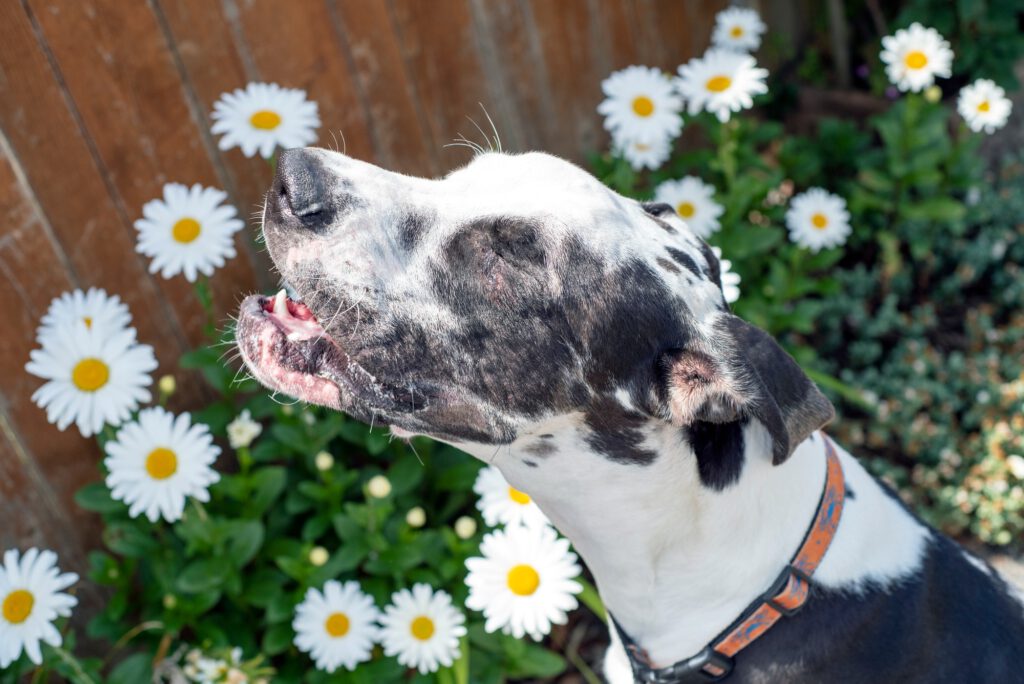
We need to know what is normal before determining what is abnormal.
Some amount of watery nasal discharge is considered to be normal, though you may never notice this discharge as most pets lick it off their nose as it forms.
Remember that when your pet is exposed to airborne debris like dust or smoke, or to the odor of chemicals such as bleach or paint fumes, sneezing, coughing, and discharge are normal, just as in people. These are short-term responses, intended to clear the irritating substances.
When respiratory symptoms such as those listed below appear in relation to no known trigger, or become persistent, you should be concerned:
Abrupt appearance of these signs indicates that your pet is dealing with an inner imbalance. That means we need to understand why the symptoms occur, what they mean, and how to restore balance to your pet’s system. If we just stop the symptoms, the imbalance remains, and the symptoms will recur.
The kind of discharge or expectoration you’re observing in your pet holds clues to the nature of their imbalance. Holistic practitioners will be particularly interested in your description, as the nature of discharges can provide them with valuable information for identifying the best treatment options for your pet. Take note of the following when you notice discharge or expectoration in your pet:
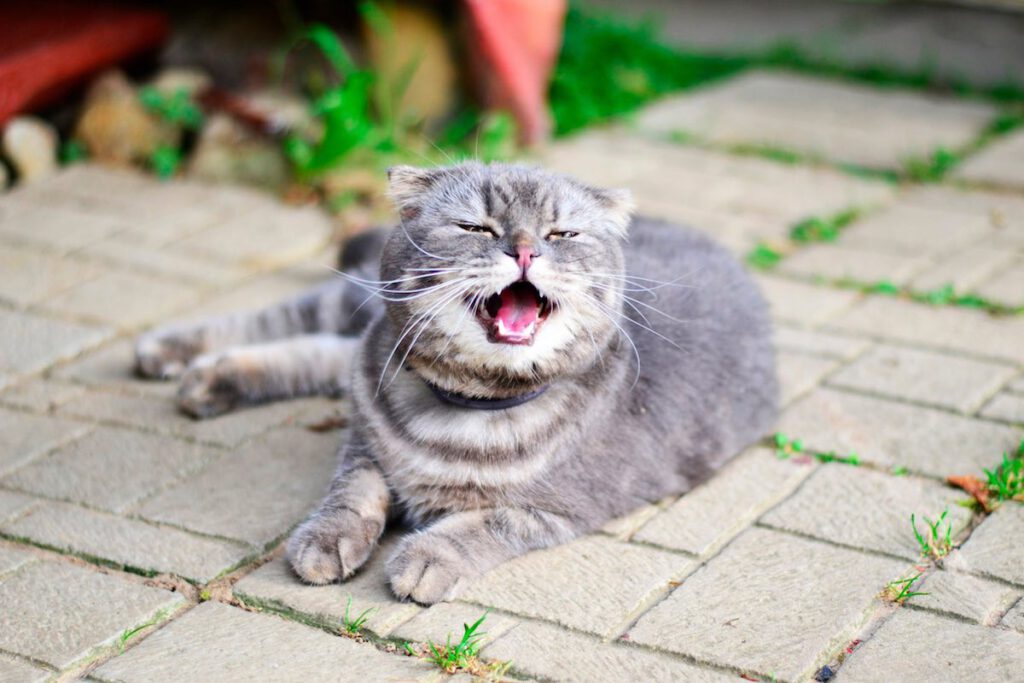 Take note of what triggers or worsens the nasal discharge or the expectoration. This could be exercise, anxiety and other emotions, changes to indoor temperature / humidity, and changes to the weather or season.
In the absence of clearly identified triggers, respiratory issues almost always indicate underlying imbalances. These imbalances may be related to diet and lifestyle factors such as the lack of fresh feeding, bacterial and regular exercise. Anti-biotic use, which reduces beneficial bacteria in your pet’s system, vaccine reactions, and exposure to environmental toxins can also play a significant role in disturbing the balance of your pet’s system and dysregulating their immune response.
Certain breeds, including Westies and other terriers, may be genetically predisposed to a severe manifestation of lung lining thickening called pulmonary fibrosis. Pugs, Frenchies, American Bulldogs, and other brachycephalic (short nosed) breeds are more vulnerable than breeds to respiratory issues, even when diet and lifestyle are optimized. However, no matter your pet’s breed or genetic predisposition, a holistic approach aimed at restoring or increasing balance and vitality will almost always lead to significant improvement in symptoms. Not only this, it will almost certainly prevent the progression of a respiratory issue to the status of a life-threatening illness.
The first premise of treatment is ‘do no harm’.
Avoid the temptation to simply suppress discharge with drugs. Symptoms tell you about underlying imbalances. Conventional drugs like anti-biotics and anti-histamines may result in symptom alleviation. This could be necessary in an emergency situation, if conventional medicines are the only tools the veterinarian has. Such ‘anti-’ drugs eliminate symptoms at a significant cost to your pet’s inner balance, potentially leading to future problems of increased severity. A respiratory dis-ease may have no definitive conventional treatment, and the conventional treatment simply suppresses the signs of the disease. .
When seeing a veterinary pet care professional, ensure your dog or cat is receiving individualized (customized) treatment. Consultations with your vet that last less than thirty minutes may indicate that your pet will not receive individualized treatment. Your holistic practitioner should want to know about the presenting complaint in detail, and about your pet’s lifestyle, and diet.
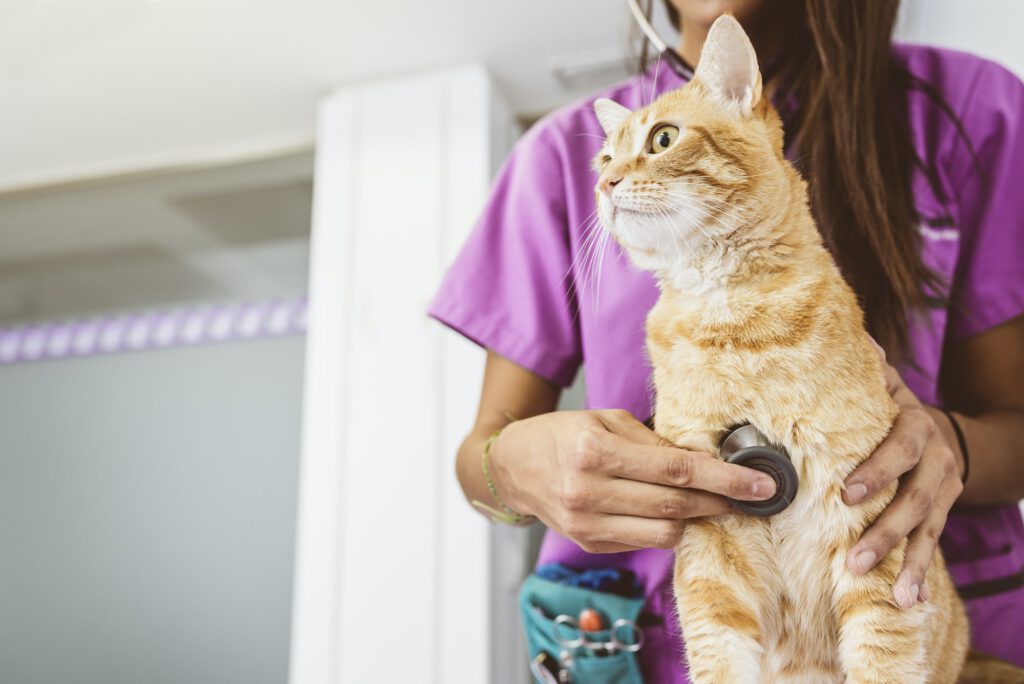
Upper respiratory problems respond well to a holistic approach that restores or improves inner balance and vitality. Upper respiratory problems are conventionally categorized as allergic, infectious, or structural; all can be improved with holistic care. Holistic care can prevent progression to other more serious and life-limiting diseases, and reduce your pet’s individual sensitivities to allergic triggers or susceptibility to infectious organisms.
As an example, holistic treatment of a coughing dog with bronchitis (inflammation of the tubes leading to the lungs) can prevent her from developing asthma and other allergies. When we treat the underlying imbalance we reduce the patient’s risk of getting pneumonia or other secondary infections. The same is true for progression of any disease.
For dogs, infectious kennel cough responds to any number of holistic interventions, including, homeopatically prescribed Aconite, Drosera, Hepar, Ipecac, Lachesis, Mercurius, Pulsatilla, Spongia, Phosphorus, Sulphur. For prevention, the Kennel Cough nosode may be effective if you know your dog has been exposed, especially if you’re concerned they lack the vitality to ward off infection.
For cats suffering from upper respiratory “infections,” an appropriate homeopathic prescription of Aconite, Arsenicum, Belladonna, Euphrasia, Mercurius, Phosphorus, Pulsatilla, Sulphur, and Thuja are among an arsenal of effective holistic interventions.
In addition to these interventions, there are other helpful approaches you can take for restoring your pet’s inner balance and promoting vibrant health.
TCVM, which includes acupuncture, can be used to stimulate your pet’s body to heal. However, like any treatment, it can be misused. One example is when points to be needled are chosen from a condition treatment chart, without evaluating the individual’s needs
Needling points based only on the current problem and pathology can decrease vitality and inner balance. A holistic acupuncture practitioner will look at the individual traits of the whole animal, using the diagnostic tools of evaluation of meridians, pulse and tongue characteristics when formulating their needling plan.
The following supportive-care approaches can support your pets’ bodies while they heal, regardless of the treatment modalities you have selected to treat their respiratory issue.
Supportive care includes optimizing nutrition and promoting fluid consumption or using subcutaneous fluids when needed. Gentle manual removal of discharges can improve breathing. Humidity levels for the patient’s environment should be between 50-60% for maximum airway comfort, and to help discharges remain fluid. Saline nose or eye drops can also be useful to help your pets comfort level and breathing, particularly when discharges are thick or acrid (irritating). Probiotics can help resolve the bacterial imbalances created by antibiotics, as a healthy gut biota is essential for a healthy immune system.
Other safe, supportive care treatments include…
When you address the underlying imbalance behind your pet’s respiratory symptoms, these symptoms can almost always be dramatically improved or completely resolved. Take steps to bring your pet’s system into better balance, and respiratory symptoms will tend to naturally disappear. Your dog or cat will recover the vitality and energy for living the happy, healthy life that they deserve.
EBOOK: HMDM FOR PATIENTS WITH RESPIRATORY SYMPTOMS
As a part of Vitality and Homeopathy course, it takes you through Holistic Medical Decision Making Process in respiratory related cases.
All the Pet Health webinars! below cover aspects of respiratory.
Read the descriptions and topic lists next to the videos to find your topics of interest.
SUMMARY: Tonight was the Holistic Medical Decision Making summary of how to help your pet's respiratory challenges. The first part of the webinar was for...
SUMMARY: Our friend Dr. Lisa Samet, a naturopath and homeopath, returned tonight to share some practical homeopathic tips for managing people and pets with upper...
SUMMARY: Tonight's webinar was about the breathing exercises that are a powerful way to help the body work better. We learned a bit about pranayama for people,...
Respiratory Supplements By Dr. Phill
The Allergy Epidemics
Asthma as a Paradigm for Autoimmune Disease
Feline Asthma and Bronchitis
Bronchitis & Asthma Management Made Better & Easier
The Coughing Pet
Canine InÀuenza (Flu) Fact Sheet
Kennel Cough Q & A
Managing pleural effusion (Proceedings)
Benefits of Nattokinase
Personalized Respiratory Medicine
Dr. Andre Saine debates famous skeptics in U.S. and Canada
Trends in Pneumonia and Influenza
Comparative evaluation of homeopathy and allopathy
A reappraisal of the mucoactive activity and clinical efficacy of bromhexine
Canine respiratory case challenges (Proceedings)
Challenging Respiratory Disasters
Approach to Respiratory Distress in Dogs & Cats
Drugs Used in the Management of Respiratory Diseases
CT and anatomical study of the relationship between head conformation and the nasolacrimal drainage system
Stimulating Effect of Japanese Herbal (Kampo) Medicine
Nasal Tumor Treatment in Dogs
Flat Feline FacesManaging pulmonary fibrosis in dogs (Proceedings)
Some dog breeds may have trouble breathing because of a mutated gene
Temporary Tracheostomy in Dogs
Click here to read through forum threads related to respiratory concerns.