It’s Never Too Late to Take a RIGHT Turn! | Elder Wisdom Month

Details

Veterinarian and aromatherapy expert Dr. Susan Albright will share her journey from conventional to integrative practice, revealing practical first steps for pet parents and how essential oils can be safely and powerfully used alongside traditional veterinary care.

When & Where

July 7, 2025 (8:00 pm) – July 7, 2025 (9:00 pm)

Eastern Time. Member Webinar – check your email for link

Ask A Vet – Live Q&A

Details

Dr. Jeff Feinman and Dr. Christina Chambreau, holistic veterinarians from Holistic Actions! are holding open hour on zoom for all the pet parents: bring your pet questions and concerns and get a different opinion. Click on “Sign Up” to register (it’s free)

Sign Up

https://www.holisticactions.com/qa-with-ha

When & Where

July 25, 2025 (12:30 pm) – July 25, 2025 (1:30 pm)

Eastern Time. Free Webinar – Click on “Sign Up” to register.

Emergencies

Emergencies

WELCOME TO THE EMERGENCY RESOURCES SECTION

 Wondering what to do in emergency situations or how to avoid them all together? You are in the right place!

Although it might seem odd, we want to focus on energy when we explore the topic of emergencies. The reason is because two animals can get into the same emergency situation and their bodies respond completely differently. THAT is something we have control over. 

Consider this tale of two dogs

Rufus and Rover were littermates who live in the same neighborhood in the same small city. Rufus’ pet parents provide him with fresh food, good water, adequate exercise, mental stimulation, and a safe, toxin-free environment. Rufus has a buddy to play with and loves going on weekly hikes with family.

Rover’s pet parents mean well, but he has not been given the same strong, clean foundation as his brother: he eats kibble and stays alone for many hours while his people are at work. They are also very busy and barely ever take him on walks or play his favorite game of fetch.

When their neighborhood experienced flooding earlier this spring, both dogs were exposed to physical, environmental, and psychological stressors that were not part of their daily routine. Rufus recovered quickly and effortlessly because of his strong foundation. Rover, on the other hand, is still suffering from anxiety caused by psychological stress, he developed itchy patches on his skin, and his overall health is in a much more fragile state due to the environmental toxins the flood brought into his home and yard.

Of course, other factors can be involved, like breed susceptibility and so on. The point is if we focus on what we can control – we can do a lot to provide a strong, solid, balanced foundation for our pets.

To build solid foundation and optimize pet’s energy – follow the tools in our Vitality and Balance Section.

Now what can you do if you see acute symptoms in your animal:

  1. pet emergencySafety first. If an animal is in pain, she may bite you. Even if she loves you dearly and is a super sweet dog or cat. Covering her head with a towel or wrapping a leash or soft cord around her mouth is helpful.
  2. Assess her visually. Is she breathing, is there bleeding, is she moving?
  3. Carefully examine. Gently feel for swellings, pain on moving joints, gum color and capillary refill time (which is explained below).
  4. If time allows, a complete TPR (temperature, pulse and respiration) is useful to help the assessment.

Rush right to ER if:

There is any major trauma such as being hit by a car or falling from a height. Bring her for professional evaluation even if she seems OK after these injuries.

Do not wait if you see:

  • Abdominal bloating, multiple episodes in an hour of retching or vomiting.
  • Continued or large amounts of bright red bleeding.
  • Inability to urinate in any animal but especially male cats.
  • Collapse, difficulty breathing or blue tongue or gums.

Call and email your veterinarian if there is time.

  • If you go to the ER or your local conventional veterinarian and they determine that the problem is life-threatening, you should just let the emergency vet and critical care specialist start any indicated life-saving treatment (including hospitalization, IV fluids,  testing, further supportive medications, etc.)
  • If the veterinarian says that your pet’s problem is not life-threatening, now’s a great time to breathe and reassess. Take a moment to think before you act.  Does the ER or referral hospital vet now want to pursue further diagnostic testing to reach a diagnosis? If so, and if cost is not a concern, or if you have a pet insurance policy, then now might indeed be a great time to do these tests.

However, if you don’t have pet insurance or are watching your budget, ask the ER vet if there is a problem with having your regular doctor do the work up tomorrow (or after the weekend). The same tests may cost a lot less when run by your regular vet.

If you do have pet insurance, the expense of the ER tests should be partially (up to 80-90%) covered. This is another big benefit of working with a quality insurance company like Nationwide (VPI), Embrace or Pet Plan.

Even if you go ahead with the tests, ask what they may show and whether the results would change the treatment approach?

  • Avoid non-essential drugs prescribed by the ER veterinarian. For example, if your pup suffers a trauma and is prescribed anti-biotics and anti-inflammatories “just in case”. Many drugs decrease the energy needed to heal.
  • Dose Arnica in water (use the highest potency you have) as soon possible after trauma. Add 1 large or 1-3 smaller pellets into one cup of water and give 1 tsp. You can then easily succuss and redose whenever you would have otherwise have given pain medications like Rimadyl or Tramadol.

If the Arnica improves the B.E.A.M. symptoms (Behavior, Energy, Appetite or Mood) but then they worsen, this is the time to redose. Restlessness, panting, isolating (important BEAM symptoms) and overt pain symptoms like lifting up a leg when walking, licking the injured area, are also indications to repeat the Arnica.

If symptoms persist after three doses of the Arnica, it is the incorrect remedy, so do not repeat.

  • Hands on healing (massage, T-Touch,  etc.), Reiki and flower essences like Rescue Remedy can help in the face of any emergency. Research has shown that therapeutic touch stimulates bone formation, decreases wound healing and helps human patients with carpal tunnel syndrome.
  • When you return home, BREATHE and just sit for a time with your companion. Time for a sacred paws. You can now take the time to start putting the symptoms into context. What really happened? For example, was this truly acute, or an acute flare-up of an already existing dis-ease state?
  • Now is also the time to assess and address lifestyle and contributing factors. For example, a therapeutic fast is indicated if she is vomiting from overeating or getting into the garbage. Another preventive Holistic Action! in this situation is to use a latch to prevent access to garbage, the kitty box, etc.
  • If continued treatment is needed, educate yourself about both the conventional and the holistic options. Find out more about our A.S.C. (Avoid, Support, Cure) method treatment approach.
  • Schedule your appointment with your regular vet. Be sure that any ER notes or test results have been faxed or emailed to them. Your appointment with a trained medical professional is the perfect time to continue interpreting symptoms in context.

Remember, an emergency symptom is just another bump in the road to better health. So don’t despair. Do what you need to do to calm your own nervous system.

*Capillary refill time (CRT) is a great way to quickly evaluate for shock, heart and lung troubles. Press your finger firmly against the gums. This will blanch the pink color. When you stop pressing, the gum color should return within a second or two. If it takes much longer this is another indication to head right to the ER.

If however your animal is not acting sick and this test seems abnormal, ask your veterinarian or another educated animal guardian if you are doing it correctly.

VIDEOS

Emergency Webinars (1 h)

12/14/2020 Empower Hour! Q&A

SUMMARY:​ We discussed both cats and dogs with allergic symptoms, Ive showed us all how to handle an emergency with his pup, and much more.  00:00 Dr. Jeff inntroduces EH! 00:45 Q&A: golden retriever with a hot spot | calendula powder, soap, aloe 13:40 Q&A:...

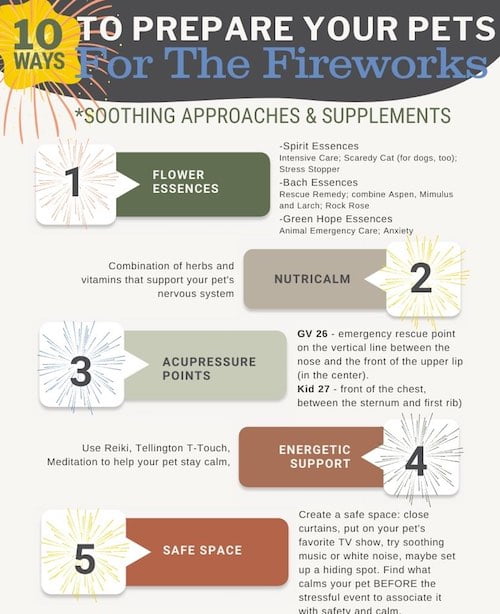
Prepare For Fireworks Handout

The 10 tools you can use to prepare your pet for upcoming fireworks or another stressful and loud event, like thunderstorms.

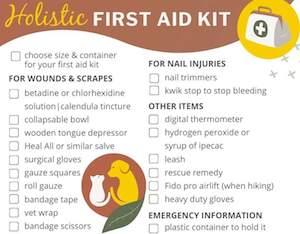
First Aid Kit Checklist

This handout has a list of items you will need when putting together your own first aid kit for pets.

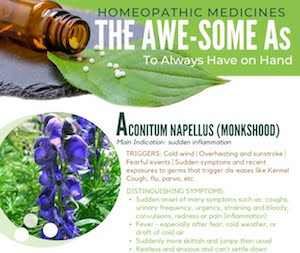
Homeopathy First Aid

The 4 remedies that are great to have for emergencies. Download the text handout.

Enhancing Shelter Care Through Animal Reiki | Thriving in Shelters Month

Details

Animal Reiki teacher and SARA co-founder Leah D’Ambrosio will share how the Let Animals Lead® method is transforming shelter life for both animals and staff—and teach you a simple, powerful technique anyone can use to bring peace to animals, no Reiki experience required.

When & Where

June 23, 2025 (8:00 pm) – June 23, 2025 (9:00 pm)

Eastern Time. Member Webinar – check your email for link

Membership Tour

Details

Come for this informal member gathering: Aruna, operations manager, will show how to make the best use of your member benefits and answer your questions about using the website.

When & Where

June 30, 2025 (8:00 pm) – June 30, 2025 (8:30 pm)

Eastern Time. Member Webinar – check your email for link

Ask A Vet – Live Q&A

Details

Dr. Jeff Feinman and Dr. Christina Chambreau, holistic veterinarians from Holistic Actions! are holding open hour on zoom for all the pet parents: bring your pet questions and concerns and get a different opinion. Click on “Sign Up” to register (it’s free)

Sign Up

https://www.holisticactions.com/qa-with-ha

When & Where

June 27, 2025 (12:30 pm) – June 27, 2025 (1:30 pm)

Eastern Time. Free Webinar – Click on “Sign Up” to register.

Weekly Inspiration | What’s Your Pet Trying to Tell You About Their Dinner?

Weekly Inspiration | What’s Your Pet Trying to Tell You About Their Dinner?

Hello to you, fellow caring pet parent,

Have you heard the phrase “Eat the rainbow”?

It’s not just a colorful cliché —

if we choose, it could be a good guiding principle for vibrant health.

And it applies to our pets, too.

This week, we invite you to think beyond “what’s for dinner?” and explore a different angle:

How much variety are you offering your pet — and what might their body be asking for?

Just like us, our animals thrive on diversity.

A dash of steamed broccoli here, a spoonful of goat milk there, maybe even a pinch of herbs or berries.

These small additions aren’t just fun—they’re functional.

They support gut health, reduce inflammation, and may even help pets self-correct imbalances before they become issues.

In our latest webinar, Dr. Fred Provenza reminds us that animals have an innate intelligence when it comes to food—and when we honor that with choice and variety, we activate their deepest healing wisdom.

🌿 “Nobody has to tell a wild creature how to eat, develop, and replicate.
They know how to do that, and they do that very well.” —
Dr. Fred Provenza

This wisdom extends to our pets, who possess an innate nutritional intelligence that modern feeding practices often override.

Your pet knows what they need—if we give them the right choices.

  • Animals have nutritional wisdom. When given options, they select foods that meet their specific needs—sometimes making choices that seem strange but are perfectly aligned with their health requirements.
  • Flavor-feedback connections are powerful. Your pet’s body creates relationships between tastes and how foods make them feel afterward, guiding future choices.
  • Early experiences shape lifelong preferences. What a mother animal eats during pregnancy and nursing significantly impacts what her offspring will prefer throughout life.
  • Diversity is medicine. Modern foods—both human and pet—have lost 10-50% of their phytochemical richness over the past 75 years, limiting the body’s ability to self-regulate. Feed a variety of foods.
  • Individual needs vary widely. No two animals need exactly the same diet—even within the same breed or household.
  • Animals self-medicate when given choices. With access to diverse plant compounds, animals naturally select remedies for their ailments, from digestive issues to parasites.

Ready to honor your pet’s nutritional wisdom?

💚 This week, try a simple experiment in choice. Offer small amounts of different healthy, appropriate fresh foods. Notice which ones they gravitate toward consistently—they might be telling you something important about what their body needs.


Let’s move beyond one-size-fits-all nutrition and honor the ancient wisdom that lives within our pets’ bodies.

Because when we respect their choices, their health flourishes.

And when they flourish, our relationship deepens.


    Need support navigating your pet’s healing journey? 

    Join our Community of caring pet parents who understand what you’re going through.