
Join Dr. Jeff Feinman and Dr. Christina Chambreau for this comprehensive holistic veterinary Q&A session, where they address real pet health challenges from the community. This session emphasizes the importance of working with qualified holistic veterinarians, understanding symptoms as healing indicators, and building a complete holistic healthcare team for your pets. The doctors provide practical guidance on nutrition, chronic conditions, and the holistic approach to pet wellness.
Key Timestamps
02:46 – Skin Conditions and Healing
06:43 – Nutrition and Feeding Guidelines
11:30 – Annual Veterinary Testing Recommendations
18:08 – Stomatitis Treatment Alternatives
21:51 – Mast Cell Tumor Management
29:51 – Cat Behavioral Issues
31:02 – Senior CKD Care
37:30 – Adopting Rescue Animals
49:36 – Cancer Appetite Support
Key Takeaways
- Symptoms are the body’s healing mechanism. Don’t suppress them; use them as clues to the underlying imbalance.
- Build a holistic healthcare team. A homeopathic or TCM vet is essential. Find one at
holisticactions.com/selectand use the HA forum for local recommendations. - Prioritize quality of life, especially for seniors. When remedies fail, shift focus from “fixing” to maximizing comfort and joy.
- Join Holistic Actions (HA). Membership provides access to a vast library of webinars, courses, and a supportive community forum for ongoing support.
Topics
Foundational Principles
- Symptom Interpretation: Symptoms are the body’s attempt to rebalance. Skin issues (e.g., dermatitis) are preferable to internal organ problems, as they indicate the body is keeping the imbalance external.
- Holistic Healthcare Team: A team is critical for effective care.
- Primary Vet: A homeopathic or Traditional Chinese Medicine (TCM) practitioner.
- Specialists: Chiropractor, osteopath, or animal intuitive for additional diagnostic information.
- Community: The HA forum provides a supportive network for questions and referrals.
Specific Health Conditions
- Stomatitis (Cat):
- Conventional Approach: Steroids, anti-cancer drugs, or full-mouth extractions.
- Rationale: Extractions are a “quick fix” that fails to address the underlying autoimmune cause, which often persists post-surgery.
- Recommendation: Cancel the conventional appointment and consult a homeopathic vet (e.g., Dr. Jeff) for a holistic approach.
- Mast Cell Tumors (Dog):
- Conventional Approach: Surgical removal.
- Rationale: Surgery removes the symptom but not the cause, increasing the likelihood of recurrence.
- Recommendation: Focus on balancing the animal’s vital force before surgery to minimize recurrence risk.
- Senior Cat with CKD & UTI:
- Context: A 17–18 y/o cat with CKD, a recurring UTI, and very high phosphorus (>16).
- Recommendation: Shift focus from “fixing” to maximizing quality of life.
- Phosphorus Management:
- Niacinamide is a mild phosphorus reducer.
- Aventi is a stronger binder.
- Structured water mixed with food can help.
- Support: Consult Gail Pope (
brighthaven.org) for hospice care guidance and join HA for community support.
- Tick Fever (Dog):
- Context: A dog in India tested positive for tick fever but is asymptomatic.
- Recommendation: Do not use antibiotics on an asymptomatic dog.
- Alternative: Consult a local Ayurvedic practitioner. Neem is a potential remedy.
- Resource: Dr. Jeff’s upcoming book merges Ayurveda, homeopathy, and conventional medicine.
Nutrition & Diet
- Fish: Can be fed raw. Freezing for two weeks is only necessary for salmon to kill parasites.
- Calcium: Eggshell/calcium can be given at a separate meal from mussel meat.
- Legumes: Tofu and beans are acceptable as part of a varied diet.
- Protein Variety: Frequent protein rotation is ideal for dogs and cats.
Behavior & Training
- Biting Cat:
- Context: A 1-year-old cat attacks randomly, breaking skin.
- Recommendation: The cat is communicating a need. Journaling is key to identifying triggers (e.g., time of day, external factors).
- Support: An animal intuitive can help mediate. Homeopathy may address an underlying vital force imbalance.
- Scooting Dog:
- Context: A rescue dog with a history of parasites and a pelvic injury from being hit by a car is scooting despite gland checks.
- Recommendation: The issue is likely structural or energetic, not just glands.
- Actions:
- Consult a chiropractor or osteopath for the pelvic injury.
- Ensure toenails are properly trimmed.
- Consider the flower essence
para-outa-sightfor lingering parasite energy.
General Care & Testing
- Annual Tests:
- Healthy Seniors: Annual CBC, chemistry profile, and first-morning urine sample.
- Young Dogs (<5): A baseline CBC, chemistry profile, and urine sample are optional.
- Rationale: Testing frequency depends on physical symptoms.
- Temperature Regulation:
- Context: Senior dogs losing temperature regulation is not normal aging but an early sign of vital force imbalance.
- Action: Provide warmth options (heating pads, sun) and consult a holistic vet to address the underlying issue.
- Adopting a Rescue:
- Context: Most rescues are vaccinated and spayed/neutered early.
- Recommendation: Be prepared with a holistic healthcare team and diet plan. A dog’s susceptibility to vaccine injury is individual.
Embrace a whole-istic mindset based on vitality, balance, and your pet’s individuality
Would You Like to Join Our Next Public Q&A Webinar?
We hold them every LAST Friday of the month.
Sign up below to get notified about the next session.
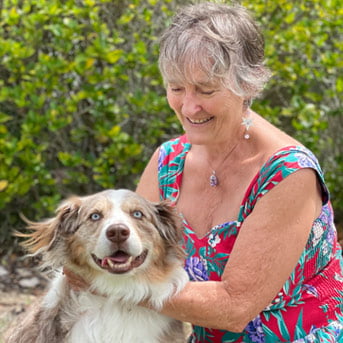
Dr. Christina
Christina Chambreau, DVM, is an internationally known homeopathic veterinarian and associate editor of the Integrative Veterinary Care Journal, she’s written several books on animal healthcare.
After opening her own homeopathy veterinary practice in 1983, she founded the Academy Of Veterinary Homeopathy and was on the faculty of the National Center for Homeopathy Summer School for ten years.
Dr. Christina is also an integrative medicine adjunct faculty liaison for the Maryland Veterinary Technician Program and lectures on a wide array of topics including integrating holistic options into veterinary practices, as well as guidance on how to choose the best approaches to heal animals and sustainability.

Dr. Jeff
Jeffrey Feinman, BA, VMD, CVH, graduated in 1985 from the University of Pennsylvania and was Penn’s first veterinary dual-degree University Scholar, holding both molecular biology and veterinary degrees. He is the founder of HolisticActions.com and dedicated to pet parent empowerment.
Dr. Jeff is devoted to researching about how to harness the innate power of the individual using Vitality and Balance. He and his wonderful wife Amy live with Archie, a rescue pup, and a Rex cat named Tigger.