
Christina Chambreau led an impromptu monthly Q&A focused on holistic approaches to common pet health concerns. The session covered real cases involving senior cats, thyroid disease, eye infections, nail-bed problems, allergies, urinary concerns, vaccine questions, skin issues, and anal gland problems. A recurring theme was looking at the whole animal, including behavior, energy, appetite, history, and environmental factors—rather than focusing only on an isolated symptom.
Key Takeaways
Look at the Whole Picture
When a symptom appears, consider the pet’s overall behavior, energy, appetite, mood, history, and other changes rather than evaluating one symptom in isolation. Keeping a journal can help identify patterns and possible triggers over time.
Track Changes When Using Multiple Treatments
When several treatments or supplements are introduced at once, it can be difficult to determine what is helping. Tracking symptoms and changes over time can make follow-up discussions with a veterinarian more useful.
Build a Strong Veterinary Support Team
The discussion repeatedly emphasized maintaining follow-up with a qualified veterinarian and seeking additional professional input when a condition is persistent, complex, or unclear.
Pay Attention to Early Warning Signs
Members were encouraged to monitor subtle changes in behavior, energy, appetite, and other symptoms as potential clues that something is changing with their pet’s health.
Protect Healing Areas From Further Irritation
For the dog with a nail injury, practical measures discussed included protecting the nail outdoors, using topical care, and observing licking or other behaviors that could further irritate the area.
Know When a Symptom Needs Veterinary Investigation
The blood-in-urine case highlighted the importance of getting an appropriate veterinary evaluation and urine testing rather than assuming dehydration was the cause.
Main Topics Covered
- Senior cat vocalization and hyperthyroidism
- Evaluating whether homeopathic treatment is helping
- Antibiotics, eye infections, and supporting a dog’s recovery
- Nail-bed injury, licking, and preventing reinfection
- Skin itching, allergies, diet, and underlying health patterns
- Vaccine questions, titers, and rabies requirements
- Urinary blood, anal gland concerns, and other recurring symptoms
Next Steps for Attendees
Immediate Actions
- Keep a health journal documenting symptoms, behavior, energy, appetite, and significant life events.
- Review changes that occurred before and after introducing a treatment or supplement.
- Protect irritated or injured areas from additional environmental irritation.
- Arrange appropriate veterinary testing when concerning symptoms—such as blood in the urine—appear.
- Continue scheduled follow-ups with your veterinary care team.
Further Learning
- Review Holistic Actions resources on early warning signs, skin and ear concerns, and finding holistic veterinary support.
- Explore the available veterinary and educational resources within the Holistic Actions community.
- Consider learning more about the different holistic approaches discussed during the session.
Special Considerations
- Persistent, worsening, or potentially serious conditions should be evaluated by an appropriate veterinary professional.
- For pets receiving conventional medications alongside complementary approaches, treatment decisions should be discussed with the veterinarian managing the case.
- The session emphasized individualized care rather than assuming the same approach will work for every pet.
Contact Information
Presenter: Christina Chambreau, DVM
Website: ChristinaChambreau.com
Holistic Actions: holisticactions.com
The session also referenced Holistic Actions’ veterinarian-selection resource and its member forum as places to find additional support.
Key Timestamps
04:35 – Loose Tooth in Senior Dog
05:48 – Senior Cat Vocalization
12:52 – Tracking Hyperthyroid Improvement
17:00 – Dog Eye Infection & Antibiotics
24:36 – Nail Bed Injury & Healing
30:29 – Nail Injury and Mouth Scratching
32:38 – Ear Problems & Rabies Requirement
38:19 – Puppy Vaccine & Titer Questions
47:50 – Blood in Urine Investigation
51:48 – Luxating Patella & Anal Glands
58:47 – Post-Surgery Shaking & Skin Issues
Embrace a whole-istic mindset based on vitality, balance, and your pet’s individuality
Would You Like to Join Our Next Public Q&A Webinar?
We hold them every LAST Friday of the month.
Sign up below to get notified about the next session.
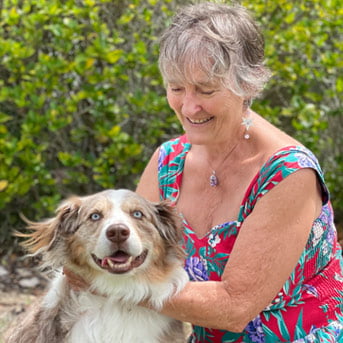
Dr. Christina
Christina Chambreau, DVM, is an internationally known homeopathic veterinarian and associate editor of the Integrative Veterinary Care Journal, she’s written several books on animal healthcare.
After opening her own homeopathy veterinary practice in 1983, she founded the Academy Of Veterinary Homeopathy and was on the faculty of the National Center for Homeopathy Summer School for ten years.
Dr. Christina is also an integrative medicine adjunct faculty liaison for the Maryland Veterinary Technician Program and lectures on a wide array of topics including integrating holistic options into veterinary practices, as well as guidance on how to choose the best approaches to heal animals and sustainability.

Dr. Jeff
Jeffrey Feinman, BA, VMD, CVH, graduated in 1985 from the University of Pennsylvania and was Penn’s first veterinary dual-degree University Scholar, holding both molecular biology and veterinary degrees. He is the founder of HolisticActions.com and dedicated to pet parent empowerment.
Dr. Jeff is devoted to researching about how to harness the innate power of the individual using Vitality and Balance. He and his wonderful wife Amy live with Archie, a rescue pup, and a Rex cat named Tigger.