
What do bloody stool, chronic ear infections, and excessive itching have in common? They’re all symptoms that send pet parents into a panic—and they’re all clues your pet’s body is trying to tell you something.
In our January 2025 Ask A Vet Q&A, Dr. Christina and Dr. Jeff Feinman answered real questions from pet parents just like you who are navigating the confusing world of pet health. From French Bulldog allergies to cat pyothorax, we covered the framework that transforms you from a worried pet owner into a confident health partner for your furry family member.
The biggest lesson? Stop fighting symptoms and start listening to them. Because when you understand what your pet’s body is communicating, you unlock the path to true healing, not just temporary relief.
Key Timestamps
-
04:10 Understanding Symptoms as Clues – When to Panic vs. Watch & Wait
-
06:29 Jackie – Chronic Vomiting, Diarrhea & Protein Loss in Older Dogs
-
10:40 Dog Allergies, Raw Feeding & Diet Rotation Tips
-
13:41 Dog Eye Discharge & Signs of Internal Imbalance
-
20:40 Ear Mite Treatment for Cats – Castor Oil & Neem Approach
-
25:48 Post-Surgery Care for Cats with Idiopathic Pyothorax
-
30:09 Excessive Itching & Hair Pulling in Cats / Homeopathy Success Story
-
38:00 Managing Chronic Conditions – Mitral Valve Disease & Supplements
-
54:00 Announcements: Path to Pet Wellness Month, Book Launch & Upcoming Masterclass
Key Takeaways from This Month’s Q&A
1. Context Over Panic: The Four-Question Framework Before you rush to the emergency vet, ask yourself these critical questions:
- How is my pet’s overall BEAM (Behavior, Energy, Appetite, Mood)?
- What’s the context? (What happened recently? Any pattern to timing?)
- Is this a sudden, dramatic change or a gradual symptom?
- Have we seen this before during similar circumstances (weather, stress, etc.)?
If your pet’s BEAM is good and they’re happy, active, and eating well, most symptoms fall into “watch and wait” rather than “emergency” territory.
2. Symptoms Are Clues, Not Enemies That diarrhea? It might be your dog’s body flushing out toxins. The eye discharge? An early warning sign of internal imbalance. The occasional bloody stool? Could be anal glands, not a digestive crisis.
The holistic approach teaches you to embrace symptoms as valuable information about what’s happening inside your pet’s energy field—then address the root cause, not just mask the outward signs.
3. The Susceptibility Secret We introduced a game-changing concept: susceptibility vs. resilience. Your pet’s susceptibility is their energetic tendency to get sick or stay well. Building resilience through fresh food, proper nutrition, energy medicine, and homeopathy reduces susceptibility and creates lasting health—not just symptom suppression.
4. Fresh Food Is Foundation Whether it’s a French Bulldog with allergies, a cat licking herself raw, or a dog with chronic vomiting, the first step is always the same: ditch the dry food and switch to fresh, whole foods. Raw feeding, rotation diets, and nutrient-dense meals support the immune system and give the body what it needs to heal from within.
5. Early Warning Signs Matter Many things pet parents accept as “normal” are actually early warning signs of internal imbalance:
- Bad breath or doggy odor requiring frequent baths
- Eye boogers or tear staining
- Mild skin issues or occasional itching
- Picky eating or food sensitivities
- Attracting fleas
Healthy pets don’t have these issues. When you see them, it’s time to strengthen the foundation and rebalance the energy field.
6. When to Seek Holistic Care If your pet has chronic, recurring issues—allergies that keep coming back, ear infections that never fully resolve, digestive problems that cycle endlessly—it’s time to work with a holistic veterinarian trained in homeopathy or Chinese medicine. These modalities address the energetic imbalance causing the symptoms, not just the symptoms themselves.
Topics Covered in This Q&A
French Bulldog Health
- Managing bloody stool episodes (when to worry vs. watch)
- Addressing bad breath naturally
- Raw feeding and diet rotation strategies
- Anal gland issues vs. rectal bleeding
Chronic Digestive Issues
- Protein-losing enteropathy in a 10-year-old dog
- Why prescription diets often make things worse
- Vomiting and diarrhea: soothing symptoms while healing the root cause
- The role of probiotics, bone broth, and fermented foods
Eye & Ear Problems
- Eye discharge (boogers) as an internal imbalance indicator
- Ear mites in rescued cats: natural treatment with castor oil and neem
- Chronic ear infections that won’t resolve
- Using symptoms as markers of healing progress
Skin Conditions
- Cat excessively itching and pulling out fur
- Case study: 9 years of belly licking resolved with homeopathy
- Why it’s not an “allergy”—it’s vital force imbalance
- Picky eating as a symptom of declining energy
Serious Conditions
- Cat with idiopathic pyothorax (pus in chest) post-surgery
- Mitral valve disease in small dogs: supplement management
- Suspected Addison’s disease and trembling
- When surgery is necessary and what comes next
Holistic Approaches
- Finding the right holistic veterinarian (homeopathy vs. Chinese medicine)
- The difference between palliation, suppression, and cure
- Energy healing: Reiki, Tellington TTouch, and intention setting
- Building immune system strength through happiness and stress reduction
Unusual Behaviors Explained
- Dogs eating frozen poop in winter (is it normal?)
- Early warning signs of internal imbalance
- Fecal matter consumption: when it’s a problem vs. seasonal behavior
- Microbiome health and coprophagia
Practical Guidance
- The free Holistic Healthcare 101 course
- Using the Holistic Actions! forum for 24/7 support
- Working up vitamin C doses for heart conditions
- Creating symptom journals to track healing progress
The Path Forward
True healing isn’t about eliminating every symptom your pet experiences. It’s about strengthening their vital force, reducing susceptibility, and building resilience so their body can do what it’s designed to do: heal itself.
Whether you’re dealing with a minor issue like eye boogers or a serious diagnosis like pyothorax, the framework remains the same:
- Assess BEAM and context
- Address foundation (fresh food, toxin avoidance, happiness)
- Work with qualified holistic practitioners for energetic rebalancing
- Track symptoms as healing markers, not problems to eliminate
- Trust the process and give it time
Ready to dive deeper? Our Path to Pet Wellness book launches next month with the complete framework for partnering with your pet’s natural healing intelligence. Pre-order now and join us on this journey to vibrant, lasting health for your beloved companions.
Can’t wait? Join Holistic Actions! Academy today for immediate access to our veterinary team, comprehensive courses, and a supportive community of pet parents who’ve already transformed their pets’ lives.
Embrace a whole-istic mindset based on vitality, balance, and your pet’s individuality
Would You Like to Join Our Next Public Q&A Webinar?
We hold them every LAST Friday of the month.
Sign up below to get notified about the next session.
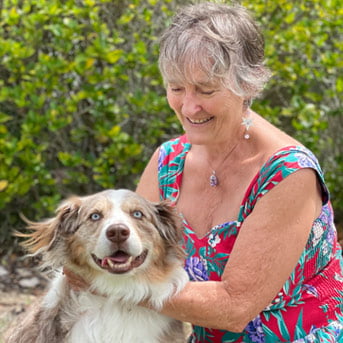
Dr. Christina
Christina Chambreau, DVM, is an internationally known homeopathic veterinarian and associate editor of the Integrative Veterinary Care Journal, she’s written several books on animal healthcare.
After opening her own homeopathy veterinary practice in 1983, she founded the Academy Of Veterinary Homeopathy and was on the faculty of the National Center for Homeopathy Summer School for ten years.
Dr. Christina is also an integrative medicine adjunct faculty liaison for the Maryland Veterinary Technician Program and lectures on a wide array of topics including integrating holistic options into veterinary practices, as well as guidance on how to choose the best approaches to heal animals and sustainability.

Dr. Jeff
Jeffrey Feinman, BA, VMD, CVH, graduated in 1985 from the University of Pennsylvania and was Penn’s first veterinary dual-degree University Scholar, holding both molecular biology and veterinary degrees. He is the founder of HolisticActions.com and dedicated to pet parent empowerment.
Dr. Jeff is devoted to researching about how to harness the innate power of the individual using Vitality and Balance. He and his wonderful wife Amy live with Archie, a rescue pup, and a Rex cat named Tigger.