
• Everyone can read this forum. To post on this forum, you must be a Community or VIP member. You can register here. If you are a member, to login use your email address for the username and the same password you use for the main site. If you have problems logging in to the forum, please email [email protected].

Lyme

Julie W.

VIP Member
Registered
Joined
Jun 30, 2018
Messages
43
It seems that we are concerned about Lyme antibodies, but not other antibodies. What I find confusing is that when someone has antibodies to something, or a positive titer, it generally suggests that their immune system has recognized that infection and may have developed some level of protection against it. However, with Lyme disease, it seems that the presence of antibodies is viewed as something we need to get rid of or reduce. Why is it that antibodies are considered a sign of immunity in one situation, but with Lyme, they seem to be viewed as something negative?

If antibodies are evidence that the immune system has recognized and responded to an organism, why are we treating the presence of Lyme antibodies as something undesirable rather than recognizing them as evidence of an immune response?

I have wondered about this myself. I see so many dogs treated for Lyme for having a high titer and zero symptoms. Both my dogs have tested positive for the Ehrlichiosis antibodies for over 10 years. Neither has ever shown signs of disease and are still thriving at 18 years and almost 18. One vet suggested a PCR test which I did and was negative. However, per my understanding this test is unreliable anyway. I look for signs and symptoms and essentially ignore tick antibody testing which in my experience has been useless.
 
Great question Julie! I'm so glad that you asked it here.
why are we treating the presence of Lyme antibodies as something undesirable
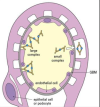
In short, because unlike in parvo and distemper, the natural antibodie don't typically prevent infection and can accumulate in the kidney.

The job of the antibody is to attach to stuff ("antigens") and this complex *can* clog the glomeruli (the tiny filters in the kidney).

1793992396616.png

However, the vast majority of dogs with high C6 (or Multiplex) results do *not* develop kidney dis-ease.

Whether they do or not depends on the susceptibility of the individual. "Morbid susceptibility" is a term we use in homeopathy to describe which animals are most likely to get sick.

Next week you'll receive a doc I am currently preparing regarding how we can educate the Vital Force to decrease morbid susceptibility (hint-work along with the natural rhythms of the body)

Other early warning signs of susceptibility usually exist in dogs prone to kidney dis-ease from Lyme. Rosie's vigorous good health defines her high resilience and low susceptibility.

Julie, we'll discuss this later today when we talk.
 
Back
Top Bottom